My Forking Life

  • Air Fryer
  • Jamaican
  • Entree
  • Browse Recipes
  • Breakfast
  • Side Dishes
  • About
menu icon
go to homepage
  • Air Fryer
  • Jamaican
  • Entree
  • Browse Recipes
  • Breakfast
  • Side Dishes
  • About
search icon
Homepage link
  • Air Fryer
  • Jamaican
  • Entree
  • Browse Recipes
  • Breakfast
  • Side Dishes
  • About
×
Home

July 5, 2026 by Tanya Harris Leave a Comment

Jamaican Coco Bread

Jamaican coco bread on baking sheet

This Jamaican coco bread is soft, a little sweet, and folds open like a pocket, which makes it the classic partner for a hot beef patty.

Jamaican coco bread on baking sheet

You’ll find the full recipe with ingredient amounts and instructions in the recipe card at the bottom of this post. Be sure to check out the blog post itself for extra tips and tricks!
close up Tanya holding bowl

Growing up in a Jamaican household, a beef patty tucked into coco bread was one of my favorite bakery treats, and it’s a combo I still come back to in my own kitchen. Coco bread was never just bread on the side; it was the wrapper. You get a hot Jamaican beef patty, split the coco bread open while it’s still warm, tuck the patty inside, and press so the flaky crust meets the soft bread

My daughter loves this bread on its own. It's so soft and fluffy, it's like eating a cloud. It's the same dough I use for my Jamaican meatloaf, where instead of folding it empty, I wrap it around seasoned ground beef before baking. This coco bread is a recipe you'll for sure be making on repeat.

Happy Baking,

Tanya

Coco bread on sheetpan

What to Know about this Coco Bread

  • Best for: wrapping beef patties. The dough also shapes into dinner rolls, or eat it warm on its own
  • Prep time: about 20 to 25 minutes active (mixing, kneading, shaping)
  • Rise time: 1 to 1.5 hours first rise, plus 30 minutes second rise
  • Cook time: 17 to 20 minutes
  • Total time: roughly 2 to 2.5 hours, most of it hands-off rise time
  • Yield: 8 coco breads
  • Good to know: shaped dough can be refrigerated overnight and baked the next day, and baked coco bread freezes well

Ingredient Notes

Ingredient amounts and full recipe instructions are on the printable recipe card at the bottom of the post.

  • Warm water. You want it between 100°F and 110°F (38°C to 43°C). Any hotter and you risk destroying the yeast before it even gets going. If you don't have a thermometer, aim for water that feels like a warm bath, not hot to the touch.
  • Instant dry yeast. This recipe uses 2¼ teaspoons, which is one standard packet. Instant yeast can go straight into the flour without blooming first. If all you have is active dry yeast, whisk it into the warm water used in this recipe and let it sit for 5-10 minutes, until it looks foamy, before mixing it into the flour. If it never foams, your yeast won't work and you'll want a fresh packet before going any further.
  • All-purpose flour. I prefer using all-purpose flour for coco bread. If you want a slightly chewier, sturdier bread, you can swap in bread flour. You may need to adjust the amount of liquid used.
  • Salt. I use table salt for this recipe.
  • White granulated sugar. Sugar gives coco bread its light sweetness, the kind that reminds people of Hawaiian rolls. It also helps the tops brown up in the oven.
  • Coconut milk. Use 1 cup of canned coconut milk, and shake or stir the can well before measuring so the fat isn't separated out. This is where the "coco" in coco bread comes from, and it's what makes the crumb so tender. Skip the light or "lite" versions of coconut milk. You can sub coconut milk with whole milk, although you will lose that coco flavor.
  • Unsalted butter. I use softened butter in this recipe. 2 Tablespoons go into the dough itself, and the rest is for brushing the dough before folding and again after baking. Don't skip that final brush, it's what gives coco bread its shiny, buttery top.
ingredients for coco bread with labels

How to make Jamaican Coco Bread

Mix and Knead the Dough

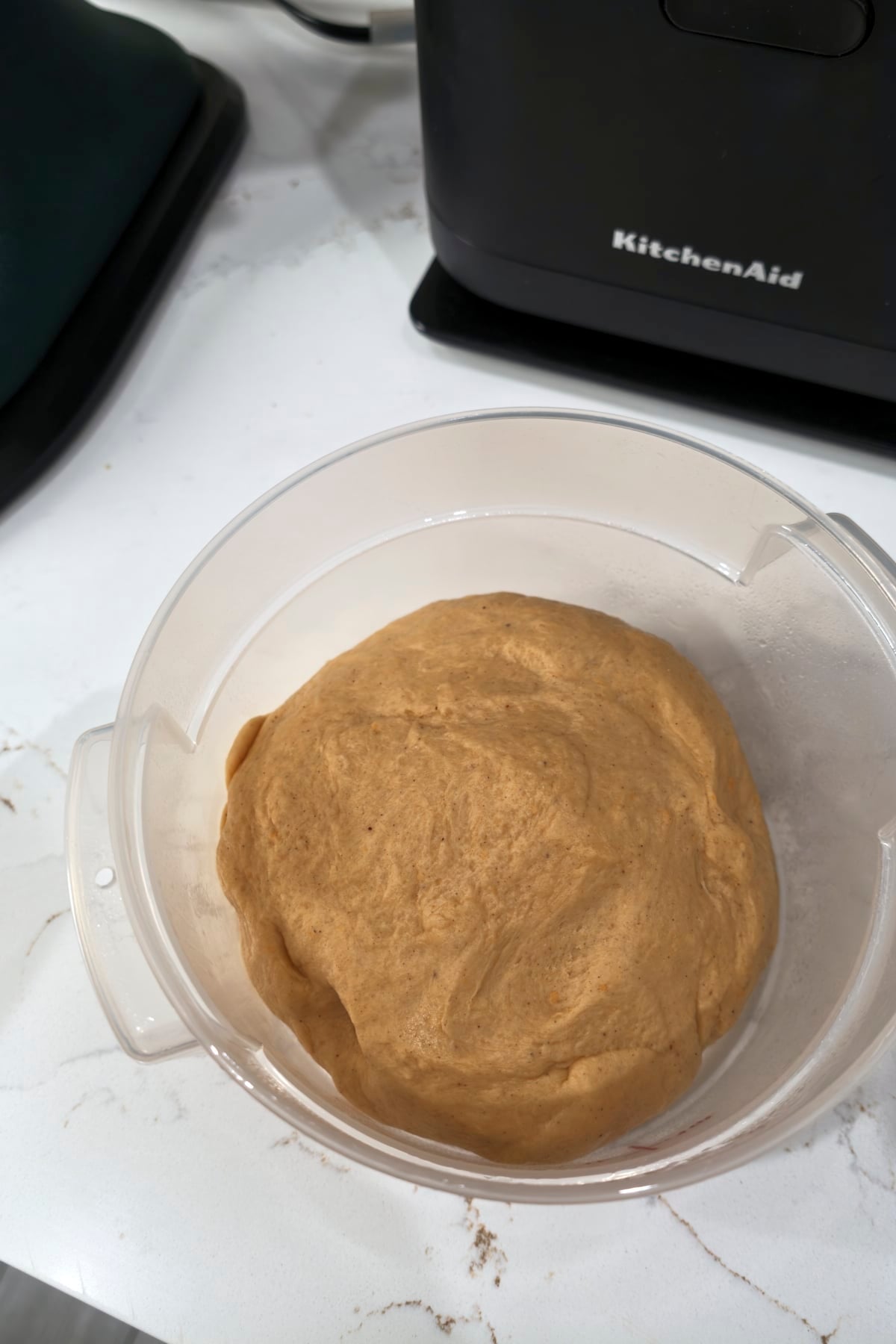
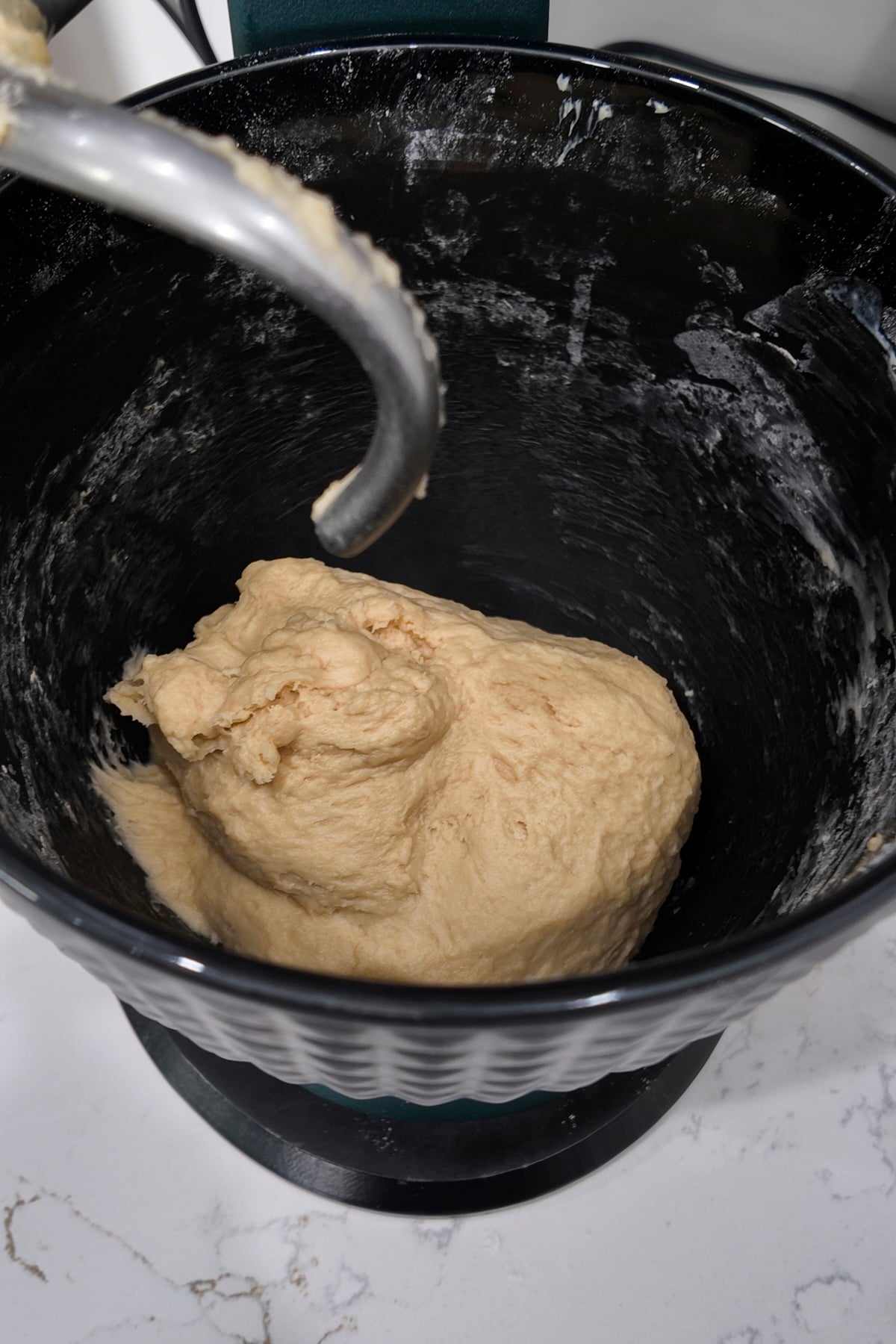
In the bowl of a stand mixer, or a large mixing bowl if you're doing this by hand, combine the flour, instant yeast, salt, and granulated sugar. Give it a quick stir so everything is evenly distributed before adding any liquid. Then add the warm water and coconut milk, and stir the mixture. Mix in the 2 tablespoons of unsalted softened butter. You should have a shaggy dough at this stage.

If you're using a stand mixer, mix until everything is incorporated, then switch to the dough hook and knead on low speed for 7 to 8 minutes. By hand, mix with a wooden spoon or spatula until a shaggy dough comes together, then turn it out onto a lightly floured surface and knead for 8 to 10 minutes.

Either way, you're looking for a dough that's smooth and still slightly sticky to the touch, not dry.

Collage of dough in KitchenAid bowl as well as hand holding combined dough ball

Let the Dough Rise

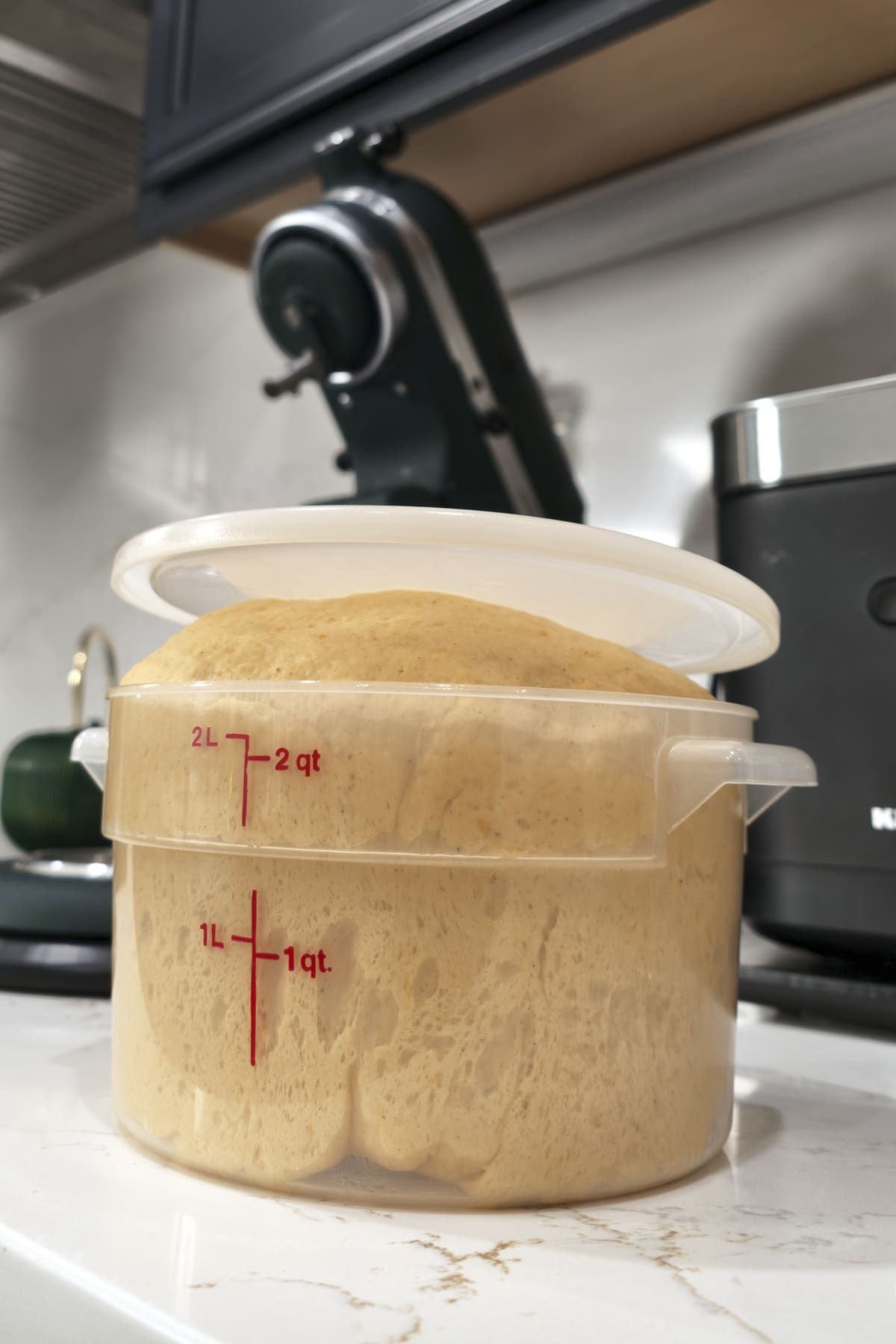
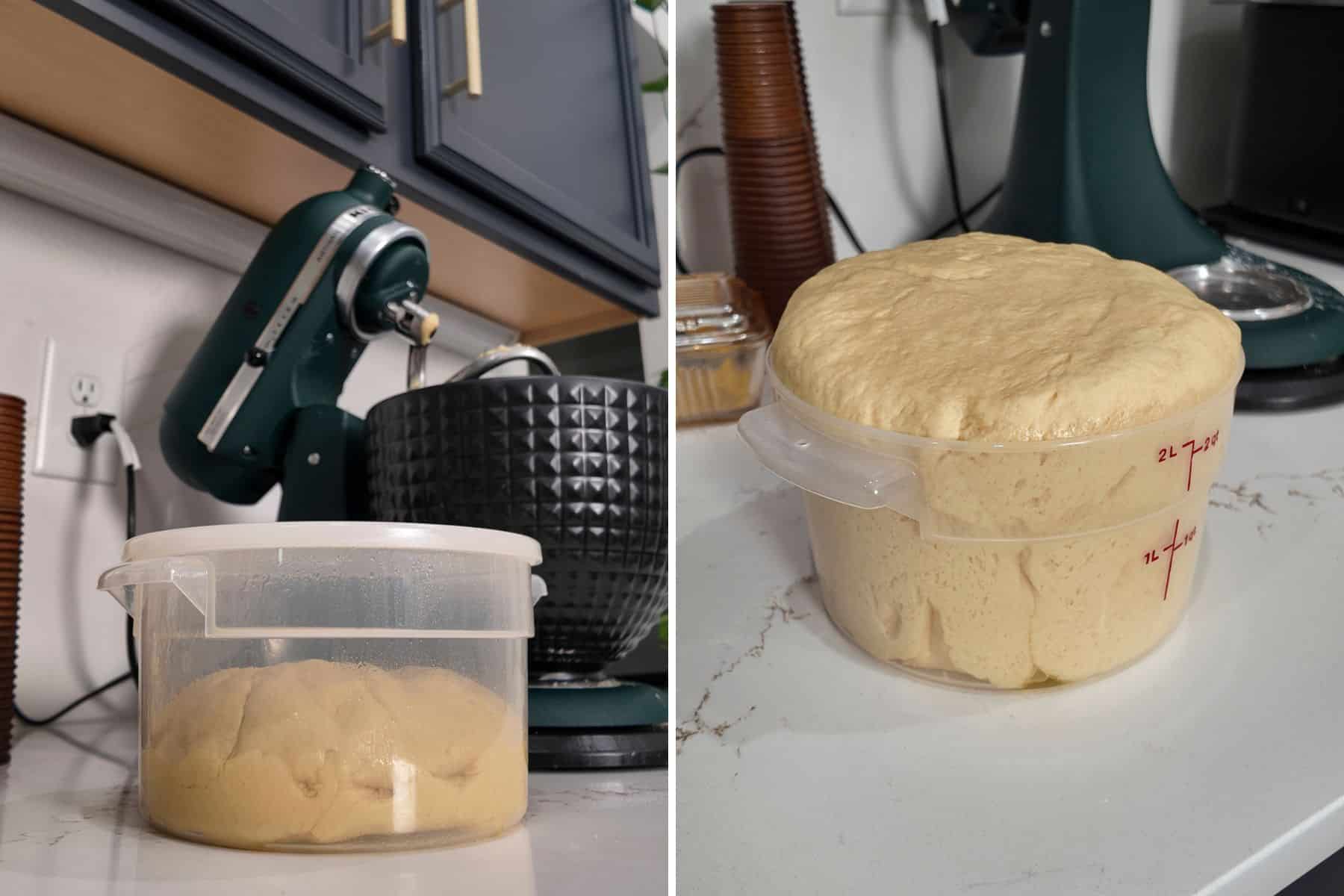
Shape the dough into a ball and set it in a greased bowl or container. Cover it and let it proof somewhere warm until it has nearly doubled in size, which usually takes 1 to 1.5 hours.

collage before of coco bread dough in plastic bucket and after in plastic bucket

Divide the Dough

Turn the risen dough out onto a lightly floured surface and divide it into 8 equal pieces. They don't have to be exact, but the closer they are in size, the more evenly they'll bake.

Hands cutting coco bread dough on the left, as well as dough broken up into eight pieces on the right.

Roll, Butter, and Fold

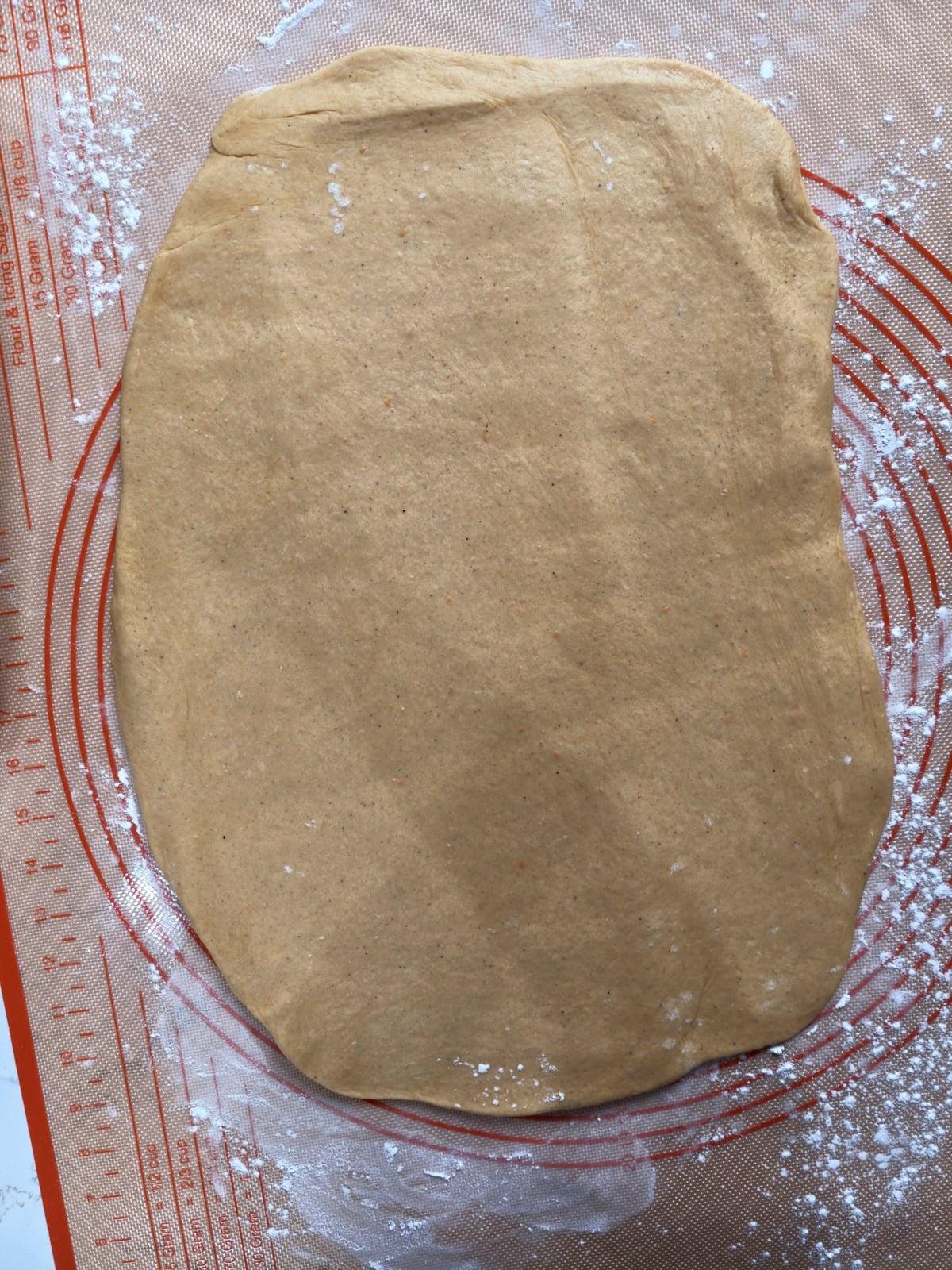
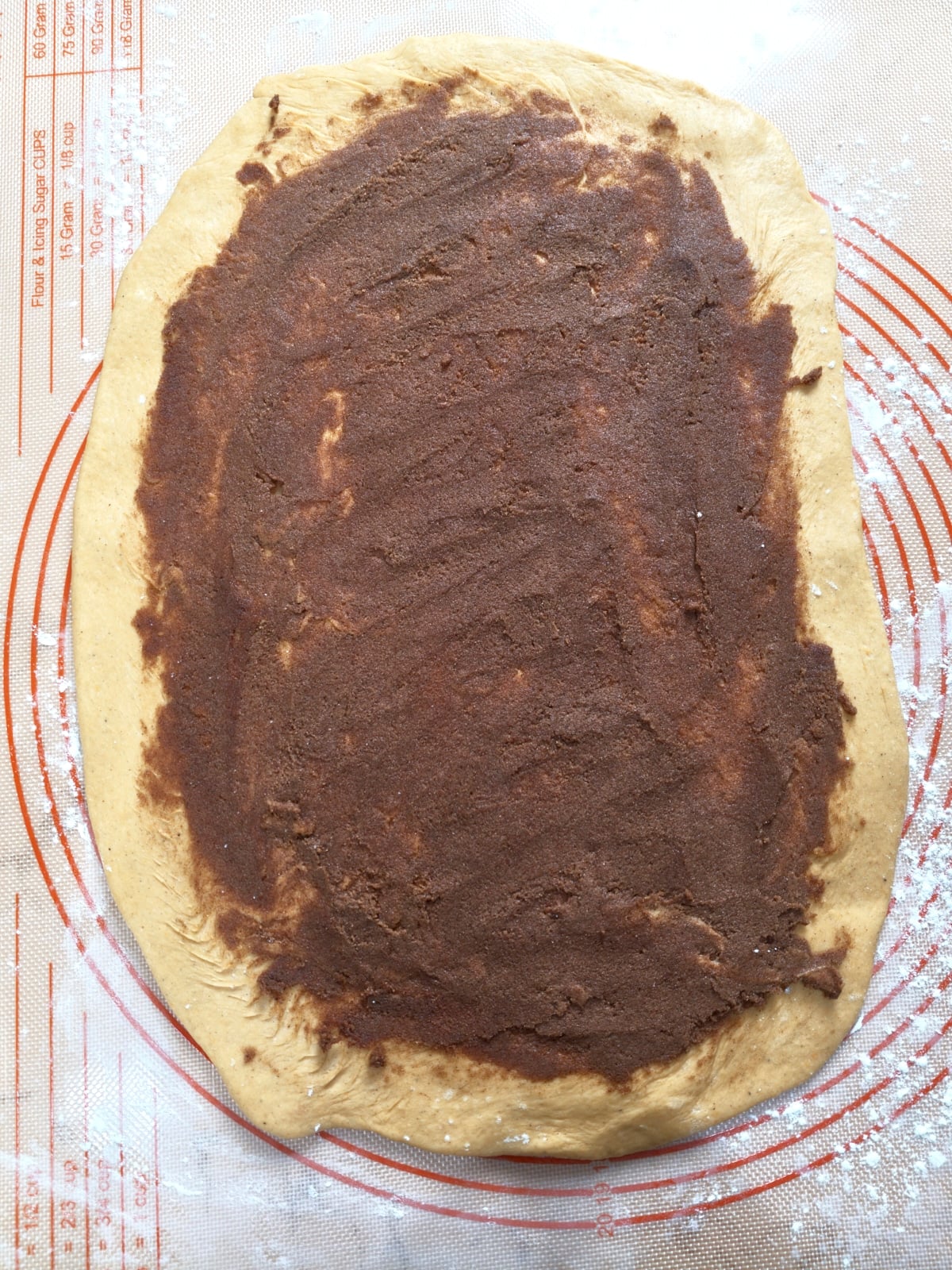
Roll each piece into a circle, about 6-inches. Spread the softened butter on one half of the dough, then fold it in half so it looks like a half moon.

That butter in the middle is important; it keeps the two layers from fully sealing together as they bake, which is what creates the pocket you'll later split open for a patty.

collage on left hand spreading butter on side of coco bread dough, on right, hand folding the dough

Second Rise

Place the folded pieces on a lined baking sheet as you go. A standard half sheet pan, will comfortably fit all 8 pieces with a little room between them to expand.

Cover the shaped pieces and let them rise for another 30 to 40 minutes. They won't puff up dramatically like the first rise, but they should look slightly softer and puffier than when you first folded them.

collage of coco bread dough on sheet pan on write, on left coco bread dough after second rise

Bake and Brush with Butter

While the dough has its second rise, preheat your oven to 350°F (175°C). Bake for 17-20 minutes, until the tops are golden. Every oven runs a little differently, so start checking at the 15-minute mark. As soon as they come out of the oven, brush the coco bread all over with the remaining butter. This is what gives them that soft, glossy top, and it soaks in best while they're still hot.

Collage of baked coco bread dough on the left and right hand opening baked coco bread

Tanya's Top Tips

  • Keep the dough slightly sticky while kneading. The dough should be sticky, but not stick onto your fingers.
  • Depending on how thick your coconut milk is, you may need more or less flour. If you find your dough too wet, add a little flour a tablespoon at a time.
  • Spread butter generously, both in the center before folding and on top after baking. I make sure my butter is very softened, making it easier to spread.
  • Let coco bread cool for a few minutes before splitting it open for a patty. Straight out of the oven, it can tear instead of opening into a clean pocket.
hand holding coco bread

Variations

Since this bread is usually headed toward a beef patty anyway, try stirring a little chopped scallion, fresh thyme, and a pinch of allspice into the butter you brush on after baking. It adds a savory Caribbean note without changing the dough itself.

This dough shapes into more than the folded pocket. Roll it into balls and bake them as soft dinner rolls when you want a side for the table instead of a sandwich pocket.

tanya holding beef patty in hand with coco bread

Storage, Reheating, and Freezing

Let coco bread cool completely before storing. At room temperature in an airtight container or bag, it keeps for 2 to 3 days.

Keep baked Jamaican coco bread in an airtight container in the fridge for up to 3 days. Let them cool completely before covering, so excess steam doesn’t make the bread soggy. To reheat, wrap the bread loosely in foil and warm it in a 325°F to 350°F (160°C to 175°C) oven for about 7 to 10 minutes, until soft and warmed through. A toaster oven or air fryer works too, just use a shorter time and keep the foil on so the tops don't over brown. You can also microwave in 10 to 20 second bursts with a damp paper towel over the bread, though microwaved bread can turn a little tough once it cools, so the oven is the better bet when you have the time.

To freeze coco bread, cool the baked coco bread completely, then place the pieces on a baking sheet and freeze just until firm, 1 to 2 hours. Wrap each one tightly in plastic wrap or foil, then place in a freezer bag or airtight container and freeze for up to 2 to 3 months. Reheat straight from frozen on a baking sheet in a 350°F (175°C) oven until hot warm, about 8-10 minutes.

FAQs

Can I use regular milk instead of coconut milk?

Yes, you can substitute the same amount of whole milk if that's what you have. The bread will still be soft, but you'll lose the coconut aroma and subtle sweetness that gives coco bread its name.

Can I make this ahead of time?

Yes. Shape the coco bread, place it on a lined tray, cover tightly, and refrigerate overnight instead of doing the second rise right away. The next day, let the pieces come to room temperature before baking as directed.

What else can I stuff coco bread with besides a beef patty?

Anything with a bit of sauce or substance works: jerk chicken, brown stew chicken, callaloo for a vegetarian option, fried fish, or just butter and jam for breakfast. And nothing at all is a valid answer too, that's how my daughter prefers hers.

Jamaican coco bread on baking sheet
Print Recipe
No ratings yet

Jamaican Coco Bread Recipe

Soft, buttery Jamaican coco bread made with coconut milk and folded into tender pockets. Perfect with beef patties, jerk chicken, or warm on its own.
Prep Time25 minutes mins
Cook Time20 minutes mins
Rise Times1 hour hr 30 minutes mins
Total Time2 hours hrs 15 minutes mins
Course: Bread
Cuisine: Caribbean, Jamaican
Keyword: Best Jamaican ginger beer, Jamaican coco bread recipe
Servings: 8
Calories: 318kcal
Author: Tanya Harris

Ingredients

  • ¼ cup warm water 100°F to 110°F / 38°C to 43°C
  • 2 ¼ teaspoons instant dry yeast 1 packet
  • 3 ¼ cups all-purpose flour 420 grams
  • ¼ cup granulated sugar
  • 1 ½ teaspoons salt
  • 1 cup coconut milk coconut milk from a can that has been mixed is best
  • 4 tablespoons unsalted butter softened, divided

Instructions

  • In the bowl of a stand mixer, or in a large mixing bowl if making by hand, combine the flour, instant yeast, salt, and sugar.
  • Add the warm water and coconut milk, and stir the mixture. Mix in the 2 tablespoons of unsalted softened butter. You should have a shaggy dough at this stage.
  • For a stand mixer: Mix until incorporated, then switch to the dough hook and knead on low speed for 7 to 8 minutes. By hand: Mix with a wooden spoon or spatula until a shaggy dough forms, then knead on a lightly floured surface for 8 to 10 minutes; the dough should be slightly sticky.
  • Shape the dough into a ball and place it in a greased bowl. Cover and let it proof in a warm spot until it has nearly doubled in size, 1 to 1 ½ hours.
  • Turn the dough out onto a lightly floured surface and divide it into 8 equal pieces. Roll each piece into a circle, about 6-inches. Spread some of the remaining softened butter on one half of the dough, then fold it in half so it looks like a half moon.
  • Place the pieces on a lined baking sheet, cover, and let rise for 30-40 minutes.
  • Meanwhile, preheat the oven to 350°F (175°C). Bake for 17-20 minutes, until the tops are golden.
  • Remove from the oven and brush the coco bread with the remaining butter.

Notes

  • Sub whole milk for the coconut milk if needed, but you'll lose the coco flavor.
  • Dough can be shaped, covered, and refrigerated overnight. Bring to room temperature before baking.
  • Store airtight at room temperature for 2 to 3 days, or freeze wrapped for up to 3 months. Reheat frozen at 350°F (175°C) for 8 to 10 minutes.

Nutrition

Calories: 318kcal | Carbohydrates: 46g | Protein: 6g | Fat: 12g | Saturated Fat: 9g | Polyunsaturated Fat: 0.5g | Monounsaturated Fat: 2g | Trans Fat: 0.2g | Cholesterol: 15mg | Sodium: 442mg | Potassium: 127mg | Fiber: 2g | Sugar: 6g | Vitamin A: 175IU | Vitamin C: 0.3mg | Calcium: 15mg | Iron: 3mg

July 4, 2026 by Tanya Harris Leave a Comment

Jamaican Beef Patties (Flaky Homemade Pastry)

jamaican beef patties on plate, one open to see the inside

Jamaican beef patties are flaky, golden pastries wrapped around a juicy, well-seasoned beef filling. This is the beef patty I grew up on, made from scratch at home.

jamaican beef patties on plate, one open to see the inside

You’ll find the full recipe with ingredient amounts and instructions in the recipe card at the bottom of this post. Be sure to check out the blog post itself for extra tips and tricks!

tanya holding bowl and mixing

Beef patties have been part of my life since I can remember. My mom grew up eating them straight from the bakery in Jamaica (Tastee is her favorite), and that love got passed straight down to me.

Making beef patties from scratch is a labor of love, and I mean that. The best patties come from bakeries where someone took the time to laminate that dough properly and let the filling simmer until it is thick and full of flavor.

I have broken this recipe down step by step so you can get that same result in your own kitchen. If you love this one, you will probably also love my Jamaican meatloaf, which is the same seasoned beef filling tucked into soft coco bread instead of pastry.

Happy Baking,

Tanya

jamaican beef patties on baking sheet

Jamaican Beef Patties at a Glance

  • Best for: snacks, lunch, freezer stash, parties
  • Total Time: 3 hours
  • Yield: 8 patties

Ingredient Notes

Ingredient amounts and full recipe instructions are on the printable recipe card at the bottom of the post.

For the filling

  • Yellow onion, green onion, and garlic are all blended into a smooth paste with the Scotch bonnet peppers. Blending instead of dicing means the aromatics melt right into the filling instead of leaving big chunks, so every bite gets the flavor.
  • Scotch bonnet peppers give the filling its real Jamaican heat and fruity flavor. Remove the stem, seeds, and membrane to keep the heat manageable, or swap in habanero if you cannot find Scotch bonnet. You could also use a scotch bonnet pepper sauce instead. These patties are on the mild side, but for a spicier patty, add more peppers.
  • Fresh thyme leaves are worth seeking out here over dried ones. If you only have dried thyme on hand, use about a third of the amount, since dried thyme is more concentrated.
  • All-purpose seasoning is a blended seasoning salt found at most Caribbean grocers. If you cannot find it, you can make your own homemade all-purpose seasoning.
  • Allspice, also called pimento in Jamaica, is one of the backbone flavors of Jamaican cooking. I prefer using ground allspice in this recipe.
  • Nutmeg and granulated sugar round out the flavors in this filling.
  • Beef broth carries much of the seasoning into the filling as it simmers. A low-sodium broth gives you more control over the final saltiness, since there is already salt and all-purpose seasoning going in.
  • Ketchup and browning work together for color and a rounded, savory depth. Browning is a Caribbean seasoning sauce, not a cooking step, and you will find it in the international aisle or at a Caribbean grocery store. If you can't find browning, you can also make a homemade browning sauce.
  • Plain breadcrumbs bind the filling and soak up excess liquid, keeping it thick rather than runny. When mixed with water, they create a panade that gives the filling a silky, cohesive consistency.
  • Lean ground beef/ground sirloin keeps the filling from turning greasy once it simmers down. I do not recommend going much fattier than lean here (93/7 or 90/10), since the filling already carries a good amount of moisture from the broth.
ingredients for filling of Jamaican beef patty

For the pastry

  • All-purpose flour measured by scooping and leveling is roughly 500 grams for the 4 cups here. If you have a kitchen scale, weighing your flour will get you the most consistent dough from batch to batch.
  • Ground Annatto and turmeric are what give my dough its golden color. Traditional patties often get their color from egg powder.
  • Cold unsalted butter, grated, is the key to a flaky, laminated dough. Grating it keeps it cold and helps it work into the flour quickly, and keeping it cold throughout the whole lamination process is what gives you those flaky layers. Many traditional recipes use beef suet, which is beef fat and can usually be found at a local butcher. I use butter here because it is easier to find and still gives the pastry flaky layers. I like to freeze my butter first, then grate it.
  • Ice cold water and egg yolk go into the dough itself, not on top as a wash. The egg yolk adds richness and a touch more color, and keeping the water ice-cold helps keep the butter from softening too soon while you bring the dough together.
ingredients for Jamaican beef patty pastry

How to make Jamaican Beef Patties

I like to break this recipe down into 2 sections: the filling and the pastry. Full recipe instructions are in the printable recipe card below.

Make the filling

Blend the Aromatics and combine with the beef

Blend the yellow onion, green onion, garlic, and Scotch bonnet peppers in a mini processor until smooth.

Add that paste to a medium saucepan with the ground beef and beef broth, then break up the beef right in the liquid before you turn on the heat. Starting it cold like this, without a browning step, keeps the beef loose and fine rather than clumping. Place the saucepan over medium-high heat, stirring occasionally, until it starts to simmer.

collage of onions and peppers in mini food processor and beef in pot

Simmer the Filling

Stir in the thyme, all-purpose seasoning, sugar, salt, allspice, nutmeg, and ketchup, then reduce the heat to medium to bring everything to a gentle simmer. Let it simmer for 20 minutes, stirring now and then, until the beef is fine and tender. Add the browning and stir until it incorporates into the mixture.

seasoning going into pot and beef mixture simmering with browning

Thicken and Cool

Stir the breadcrumbs and water into a paste, then mix it into the filling. Simmer for another minute or two until everything is thick and silky, then let it cool completely, and refrigerate before you fill your patties.

I like to spread my filling on a small sheet pan, so it cools more quickly. Cold filling is a must here, so it does not melt your dough while you are assembling.

breadcrumbs and water going into beef filling and beef filling being spread on sheet pan

Make the Dough

Mix the Dry Ingredients and Butter

Whisk together the flour, salt, sugar, annatto, and turmeric in a large bowl. Add 4 ounces of the grated butter and toss it through the flour until it looks like coarse crumbs. Reserve the other 4 ounces for later, keeping it in the refrigerator.

Collage of flour ingredients in a bowl being mixed, as well as hands mixing butter into the flour mixture

Add the Liquid

Whisk the egg yolk into your ice-cold water, then drizzle it into the flour a little at a time, stirring with a fork. You may not need all the liquid, so stop as soon as the dough comes together. Bring the dough together into a rough ball, wrap it with plastic wrap, and refrigerate for 30 minutes.

Collage of liquid being poured into flour mixture and dough ball being created

Laminate the Dough

On a lightly floured surface, roll the chilled dough into a rectangle about ¼ inch thick. Scatter some of the reserved grated butter over the bottom two-thirds of the dough, leaving the top third bare.

Fold the bottom of the dough over the center, then add butter to the top third, and fold the dough onto that. Use a rolling pin to flatten it out.

Lots of grated butter being placed onto flattened dough and dough being folded over

Finish Laminating and Chill the Dough

Scatter more reserved butter over the bottom two-thirds of the dough and repeat the same fold. Continue rolling, adding butter, and folding 1 to 2 more times, until all the reserved butter has been used.

Shape the dough into a ball or rectangle, wrap it tightly in plastic wrap, and refrigerate for another 30 minutes before rolling and filling the patties.

Collage of dough being folded and rolled into a ball.

Assemble and Bake

Roll and Fill

Divide the chilled dough into 8 equal portions and roll each one into a ball, then roll each ball out into a 7-inch round, about ⅛ inch thick. Spoon about ¼ cup of the cooled filling onto one half of each round, leaving a clean border around the edge.

hand rolling a beef patty up. a collage showing these steps

Seal and Chill

Fold the dough over into a half-moon and press the edges together, then crimp the sealed edge with a fork to lock it shut. Remove any excess dough with a paring knife or dough cutter.

Line two baking sheets with parchment paper and place the patties on them. Refrigerate them for 30 minutes until firm. This chill keeps the shape and the layers intact in the oven.

collage of patty being crimped with fork and beef patties on sheet pan

Bake

While the patties chill, preheat your oven to 375°F (190°C). Bake for 25 to 30 minutes, until the crust is deep golden and flaky. Let the patties cool for a few minutes before you dig in.

collage of baked beef patties being held in hand and a beef patty being held after being broken in half

Tanya's Top Tips

  • Keep everything cold. Cold butter, cold dough, cold filling, and even chilling the shaped patties before they go in the oven. Warm dough is soft dough, and soft dough will not hold those flaky layers.
  • Taste your filling before it cools. Once it is refrigerated, it is harder to adjust the salt and heat, so taste it while it is still warm on the stove and fix it then.
  • Do not overfill your patties. Leave that border around the edge so you can get a good seal. An overfilled patty is a patty that bursts open in the oven.

Variations

  • Beef and cheese: Lay a slice of cheddar over the filling before folding for a patty shop classic.
  • Chicken patties: swap the ground beef for ground chicken or turkey and season the same way.
  • Vegetable patties: these same wrappers hold a seasoned callaloo or vegetable filling beautifully if you want a meatless version.
  • Milder heat: remove the seeds and membrane from the Scotch bonnet, or leave one pepper out entirely, if you want less heat without losing the flavor.
jamaican beef patties on baking sheet

What to Serve With Jamaican Beef Patties

The classic way to eat a beef patty is to tuck it into coco bread, the soft, slightly sweet bread that Jamaican bakeries pair with patties. Split it open, slide your patty in, and you've got yourself a real meal. Beef patties are usually served as an appetizer or snack.

tanya holding beef patty in hand with coco bread

Storage, Reheating, and Freezing

Fridge: Store baked patties in an airtight container in the refrigerator for 3 to 4 days.

Reheating: warm them in a 350°F (175°C) oven or air fryer until the filling is hot and the crust crisps back up. I would steer clear of the microwave alone, since it tends to leave the crust soft.

Freezing unbaked patties: freeze the assembled, unbaked patties in a single layer on a baking sheet until firm, then transfer to a freezer bag. They will keep for 2 to 3 months. Bake straight from frozen, adding about 5 to 10 minutes to the bake time.

Freezing baked patties: cool completely, wrap tightly, and freeze. Reheat from frozen in the oven or air fryer for the best texture. This will take about 25-30 minutes to reheat on 350°F (175°C).

FAQs

Can I make the dough and filling ahead of time?

Yes. The filling keeps in the fridge for up to 2 days, and the dough can be made a day or two in advance as well.

What if I cannot find Scotch bonnet peppers?

Habanero is the closest substitute for heat and flavor. You can also use a milder chili to reduce the spice level.

If you're a fan of Jamaican baked goods, don't forget to check these popular recipes out:

  • Jamaican Coco Bread - This soft, slightly sweet Jamaican bread is perfect for serving with beef patties or enjoying on its own.
  • Jamaican Black Cake - A rich, moist Caribbean fruit cake made with rum-soaked dried fruit and warm spices, perfect for holidays and celebrations.
  • Sweet Potato Pudding - This classic Jamaican dessert is dense, spiced, and full of sweet potato flavor with a deliciously tender texture.
  • Hard Dough Bread - This traditional Jamaican white bread is soft, yet dense, and perfect for spreading softened butter.
jamaican beef patties on plate, one open to see the inside
Print Recipe
No ratings yet

Jamaican Beef Patties Recipe

These Jamaican beef patties have a flaky crust and are filled with juicy, spiced ground beef filling. A homemade version of the classic Jamaican bakery patty.
Prep Time45 minutes mins
Cook Time50 minutes mins
Chilling Time1 hour hr 30 minutes mins
Total Time3 hours hrs 5 minutes mins
Course: Appetizer
Cuisine: Caribbean, Jamaican
Keyword: Jamaican beef patties
Servings: 8
Calories: 566kcal
Author: Tanya Harris

Ingredients

Beef Patty Filling

  • ½ medium yellow onion roughly chopped
  • 3 green onions roughly chopped
  • 3 garlic cloves
  • 2 scotch bonnet peppers stem, seeds and membrane removed
  • 1 lb lean ground beef
  • 1 tablespoon fresh thyme leaves
  • 1 tablespoon all purpose seasoning
  • 1 teaspoon granulated sugar
  • 1 teaspoon salt
  • ½ teaspoon ground allspice
  • ¼ teaspoon ground nutmeg
  • 1 ½ cups beef broth
  • 1 tablespoon ketchup
  • 1 teaspoon browning
  • ⅓ cup plain breadcrumbs
  • ⅓ cup water

Pastry Dough

  • 4 cups all-purpose flour 500 grams
  • 1 teaspoon table salt
  • 2 tablespoons granulated sugar
  • ½ teaspoon ground annatto for color
  • ¼ teaspoon ground turmeric
  • 8 ounces unsalted butter cold, grated and divided (2 sticks)
  • 1 cup ice cold water
  • 1 large egg yolk

Instructions

Beef Patty Filling Instructions

  • Add the onion, green onion, garlic, and scotch bonnet peppers to a mini food processor and blend into a smooth paste.
  • In a 2-quart pan, combine the ground beef, blended aromatics, and beef broth. Break up and stir the beef until it is fully loose in the liquid with no clumps, before turning on the heat. Place the saucepan over medium-high heat, stirring occasionally, until it starts to simmer and turn brown.
  • Stir in the thyme leaves, all-purpose seasoning, sugar, salt, allspice, nutmeg, ketchup.
  • Reduce the heat to medium and allow it to gently simmer. Simmer for 20 minutes, stirring now and then. Add the browning and stir.
  • In a small bowl, stir the breadcrumbs and water into a paste. Stir the paste into the beef. Simmer for an additional 1-2 minutes, until the mixture is thick and silky.
  • Let the filling cool and then refrigerate before filling the patties.

Pastry Dough Instructions

  • In a large bowl, whisk together the flour, salt, sugar, annatto powder, and turmeric.
  • Add 4 ounces of the grated butter and toss through the flour until the mixture looks like coarse crumbs. Reserve the remaining 4 ounces of grated butter for laminating.
  • In a small bowl, whisk the egg yolk into the ice cold water. Drizzle into the flour a little at a time, stirring with a fork, until the dough just comes together. You may not need all the liquid.
  • Flatten into a rough rectangle, wrap, and refrigerate 30 minutes.
  • On a lightly floured surface, roll the chilled dough into a rectangle about ¼ inch thick. Scatter some of the reserved grated butter over the bottom two-thirds of the dough, leaving the top third bare.
    Fold the bottom of the dough over the center, then add butter to the top third, and fold the dough onto that. Use a rolling pin to flatten it out.
    Scatter more reserved butter over the bottom two-thirds of the dough and repeat the same fold. Continue rolling, adding butter, and folding 1 to 2 more times, until all the reserved butter has been used.
    Shape the dough into a ball or rectangle, wrap it tightly in plastic wrap, and refrigerate for another 30 minutes before rolling and filling the patties.

Assemble and Bake Instructions

  • Remove dough from fridge and divide into 8 equal portions and roll into balls. Roll out balls into 7-inch rounds, ⅛ inch thick.
  • Spoon about ¼ cup of cooled filling onto one half of each round, leaving a border around the edge.
  • Fold the dough over into a half-moon, and press the edges together. Crimp the sealed edge with a fork to lock it shut. Remove any excess dough with a pastry cutter or paring knife. Line two baking sheets with parchment paper. Place the patties on the lined baking sheets.
  • Refrigerate the assembled patties for 30 minutes, until firm. Meanwhile, preheat the oven to 375°F (190°C).
  • Bake in the preheated oven for 25 to 30 minutes, until the crust is golden and flaky.
  • Let cool a few minutes before serving.

Video

Notes

  • Keep the filling, dough, and assembled patties cold for the flakiest pastry.
  • The filling can be made up to 2 days ahead and refrigerated.
  • Store baked patties in the fridge for 3 to 4 days. Reheat in the oven or air fryer until hot and crisp.
  • Freeze unbaked patties for 2 to 3 months and bake from frozen, adding 5 to 10 minutes.

Nutrition

Calories: 566kcal | Carbohydrates: 58g | Protein: 21g | Fat: 28g | Saturated Fat: 16g | Polyunsaturated Fat: 2g | Monounsaturated Fat: 8g | Trans Fat: 1g | Cholesterol: 119mg | Sodium: 556mg | Potassium: 377mg | Fiber: 3g | Sugar: 5g | Vitamin A: 891IU | Vitamin C: 7mg | Calcium: 78mg | Iron: 6mg

June 30, 2026 by Tanya Harris 13 Comments

Easy Braised Short Ribs in Red Wine Sauce

braised beef short rib served on top of a bowl of creamy polenta

This is the best braised short ribs recipe, and once you cook it I'm sure you'll agree. The beef short ribs are cooked in a delicious gravy until the meat is fork tender and falls away from the bone.

braised beef short rib served on top of a bowl of creamy polenta

You’ll find the full recipe with ingredient amounts and instructions in the recipe card at the bottom of this post. Be sure to check out the blog post itself for extra tips and tricks!

close up Tanya holding bowl

I like cuts of meat that cook low and slow until tender. That's exactly what beef short ribs are. They are full of delicious marbling, making them the ideal cut for braising. Cook them low and slow, and the fat will render down, resulting in the tastiest gravy.

I like to make my red-wine-braised short ribs in the oven. They are the perfect dish for a lazy weekend, when you want something delicious but minimal prep. Similar to my oxtail recipe, these ribs are first seasoned with a delicious spice mixture, then cooked until fork-tender, and finished with a delicious gravy. This goes great over mashed potatoes or polenta.

Happy Cooking,

Tanya

What readers say about this recipe

Soooo tender and flavorful. Loved it.

- Jodi

Ingredients Needed

Ingredient amounts and full recipe instructions are on the printable recipe card at the bottom of the post.

  • Beef short ribs - I use bone-in for the most flavor since the bone adds richness to the gravy, but boneless works too and cooks the same way. Look for ribs trimmed of excess fat and silver skin.
  • Seasoning - Brown sugar, kosher salt, and black pepper. The brown sugar helps the ribs develop a deep brown color and balances the savory gravy.
  • Vegetable oil - For browning the ribs and getting that flavorful sear. You could use any nuetral oil with a high smoke point, like canola, avocado, or olive oil.
  • Aromatics - Yellow onion, celery, carrot, and garlic cloves. This builds the base of the sauce.
  • For the sauce - Tomato paste, red wine, beef broth, red pepper flakes, and fresh rosemary. The red wine adds depth, but you can swap in more beef broth if you'd rather skip it.
braised beef short ribs recipe ingredients

How to make the Best Braised Short Ribs

a plate of raw beef short ribs seasoned with brown sugar, salt and black pepper
Dutch oven with seared beef short ribs

Step 1: Preheat your oven to 275 degrees Fahrenheit (135 degrees Celsius).

Step 2: Season the ribs with brown sugar, kosher salt, and black pepper. Heat oil in a large, heavy-bottom pot over medium heat and brown the short ribs on all sides for about 4-5 minutes. Remove from the pot and set aside. 

Dutch oven filled with sauteed onion, carrot, celery and garlic
Dutch oven with sauteed vegetables with tomato paste and red pepper flakes stirred through

Step 3: Add onions, celery, carrot, and garlic to the pot and sauté for about 5 minutes, until the vegetables soften. Now add the tomato paste and stir for an additional 30 seconds. Add red wine, beef broth, and red pepper flakes and stir.

Dutch oven with sauteed vegetables and red wine and beef broth added topped with springs of fresh rosemary
Dutch oven with sauteed vegetables topped with browned beef short ribs

Step 4: Place the sprigs of fresh rosemary into the pot, then return the browned short ribs to the pot and cover them with a lid. Place the pot into the preheated oven. Bake the short ribs, covered, until tender, about 3.5-4 hours. 

Dutch oven filled with braised beef short ribs
close up image of braised beef short rib

Step 5: Remove the pot from the oven and serve.

Can I make these short ribs in an Instant Pot?

Yes. Use the sauté function to brown the ribs and soften the aromatics, then add your tomato paste, red wine, and beef broth. Return the ribs to the pot, seal, and cook on high pressure for 45 minutes with a natural release. Everything else stays the same.

Can I make these short ribs in a slow cooker?

Yes. Brown the ribs and sauté the aromatics on the stovetop first, then transfer everything to your slow cooker. Cook low and slow until tender. Depending on the size of your ribs, it can take anywhere from 6 to 8 hours on low.

Tanya's Top Tips

  • Trim off most of the excess fat from the short ribs to avoid a greasy sauce. 
  • Sear the meat first to brown it, before braising, as this step will add so much flavor to the finished sauce.
  • When you add the red wine and beef broth, scrape any crispy bits off the bottom of the pot, as they add flavor to the finished sauce.
  • If time permits, prepare your short ribs a day in advance and refrigerate them in a sealed container. The fat from the short ribs will rise to the top (see photographs below). When ready to serve, remove the layer of fat, then reheat the ribs and sauce in a covered pot over low heat on the stovetop.
  • Nothing goes to waste in my kitchen, so freeze any leftover sauce to serve with another roast or steak dinner.
glass dish with cold braised short ribs and a thick layer of solid fat on top
a ladle with sold beef fat being spooned off the braised short ribs

Flavor variations

  • I've used onion, celery, carrot, and garlic to flavor the cooking liquor. You can add in any other veggies, for example, mushrooms, leeks, shallots, or red chili would work with the beef too.
  • Use sprigs of fresh thyme or parsley instead of rosemary.
  • If you prefer to make the braising liquor without red wine, leave it out and add a little more beef broth.

How to serve Braised Beef Short Ribs

Serve red wine-braised short ribs on top of a bowl of my creamy polenta, with a spoonful of the delicious sauce the beef was braised in.

You can serve this dish with potatoes too. Try it with my Creamy Instant Pot Mashed Potatoes, Garlic Mashed Potatoes, or for a great alternative to regular potatoes, try my Mashed Sweet Potatoes.

There's so much flavor in this dish that I keep any additional veggie sides simple. Try my Oven Roasted Broccoli, Fried Cabbage, Instant Pot Buttered Cabbage, or Southern Green Beans.

How to store 

To refrigerate: Leftovers can be stored in an airtight container in the refrigerator for up to 5 days. When ready to enjoy, reheat the ribs and sauce on the stove-top until piping hot.

To freeze: Once cooked and cooled, place the ribs and sauce in an airtight container and freeze for up to 3 months. Defrost in the refrigerator before reheating to piping hot.

fork tender braised short ribs served on top of a bowl of creamy polenta

If you have tried this Braised Short Ribs recipe, please rate it and let me know how it turned out in the comments below!

braised beef short rib served on top of a bowl of creamy polenta
Print Recipe
4.62 from 13 votes

Braised Beef Short Ribs

This is the best braised short ribs recipe, the ribs are cooked in a delicious gravy until the meat is fork tender and falling away from the bone.
Prep Time10 minutes mins
Cook Time4 hours hrs
Total Time4 hours hrs 10 minutes mins
Course: Main Course
Cuisine: American
Keyword: braised beef short ribs, braised short ribs, braised short ribs in oven, red wine braised short ribs
Servings: 4
Calories: 529kcal
Author: Tanya Harris

Equipment

  • 1 Braiser

Ingredients

  • 2.5 lb short ribs rinsed and patted dry
  • 3 tablespoon brown sugar
  • 1 tablespoon kosher salt
  • ½ teaspoon black pepper
  • 3 tablespoon vegetable oil
  • 1 yellow onion chopped
  • 1 rib celery chopped
  • 1 medium carrot chopped
  • 4 cloves garlic chopped
  • 1 tablespoon tomato paste
  • ¼ cup red wine
  • 1.5 cup beef broth
  • ½ teaspoon red pepper flakes
  • 2 sprigs fresh rosemary

Instructions

  • Preheat your oven to 275 degrees Fahrenheit. Season the ribs with brown sugar, kosher salt, and black pepper. Heat oil in a large, heavy bottom pot over medium heat and brown the short ribs on all sides, about 4-5 minutes. Remove from the pot and set aside.
  • Add onions, celery, carrot, and garlic to the pot and sauté for about 5 minutes, until the vegetables soften. Now add the tomato paste and stir for an additional 30 seconds. Add red wine, beef broth, and red pepper flakes and stir.
  • Place the sprigs of fresh rosemary into the pot, then return the browned short ribs to the pot and cover them with a lid. Place pot in the preheated oven. Bake the short ribs, covered, until tender, about 3.5-4 hours.
  • Remove from the oven and serve.

Notes

  • Trim off most of the excess fat from the short ribs to avoid a greasy sauce. 
  • If time permits, prepare your short ribs a day ahead and refrigerate in a closed container. The fat from the short ribs will rise to the top. When ready to serve, remove the layer of fat and reheat the ribs and the sauce on the stove-top in a covered pot over low heat.

Nutrition

Calories: 529kcal | Carbohydrates: 16g | Protein: 41g | Fat: 32g | Saturated Fat: 11g | Polyunsaturated Fat: 7g | Monounsaturated Fat: 11g | Trans Fat: 0.1g | Cholesterol: 122mg | Sodium: 2272mg | Potassium: 995mg | Fiber: 1g | Sugar: 11g | Vitamin A: 2732IU | Vitamin C: 5mg | Calcium: 56mg | Iron: 5mg

This post was originally published on February 25, 2023. It has been updated with new information.

June 29, 2026 by Tanya Harris 7 Comments

Shrimp Boil Recipe

shrimp boil in pan up close

I love a shrimp boil when I'm gathering with my family. This one has shrimp, potatoes, corn, and smoked sausage, all covered in a rich, buttery garlic-herb sauce, and it all comes together in the oven.

shrimp boil in pan with spoon sticking out

You’ll find the full recipe with ingredient amounts and instructions in the recipe card at the bottom of this post. Be sure to check out the blog post itself for extra tips and tricks!

close up Tanya holding bowl

I've always been a big fan of seafood. I've made shrimp boils for years, but then I had my Aunt Sib's version, and something about it made me want to make all my boils that way. Her version calls for parboiling the potatoes and corn, and making a stovetop garlic-buttery herb sauce. Then this all gets combined with shrimp, Old Bay seasoning, and sausage and baked in the oven.

This is what we make when we want a special night at home, and if we're having people over, I just double it. If you love seafood for a gathering as much as I do, my cold seafood salad is another one I bring out for a crowd.

Happy Cooking,

Tanya

shrimp boil on plate

Shrimp Boil at a Glance

  • Best for: A special night at home, weeknight dinners, or feeding a crowd (it doubles easily).
  • Total time: about 50 minutes
  • Servings: 6

A Quick Look at the Ingredients

Here's what's worth knowing before you shop. Ingredient amounts are in the recipe card below.

For the boil

  • Jumbo shrimp, shell on. I like shell-on shrimp because the shells add a little more flavor to the sauce. You can use pre-peeled shrimp if that's easier. Either way, make sure they're deveined, and use raw shrimp, not pre-cooked.
  • Baby red or Yukon gold potatoes. You want a potato that holds its shape in the boil. I avoid starchy russets, which break down and go mealy.
  • Smoked sausage or andouille. If you can find a spicy smoked sausage, that's my favorite here. Any sausage you like works. Just slice it into half-inch rounds so it heats through.
  • Corn on the cob. Cut into halves or thirds so the pieces cook quickly and fit the pan.
  • Lemon. Sliced for the pan, plus wedges for squeezing at the table.

For the butter sauce

  • Unsalted butter. I use unsalted so I can control the salt myself. Feel free to use salted if that's your preferred choice.
  • Onion and garlic. Finely diced onion and minced garlic build the base of the sauce.
  • Seafood boil seasoning and cayenne. I usually stick with Old Bay, plus cayenne for a little heat. Scale it up or down, or leave the cayenne out if you don't want any spice.
  • Heavy cream. This is what gives the sauce that rich, buttery body.
  • Fresh parsley. I prefer fresh over dried. It gives you a brighter flavor and a little color.
  • Salt to taste. I add this at the end, once I can taste the finished sauce.
ingredients for shrimp boil on table

Equipment You'll Need

You only need a few things, but the pan matters here.

  • A shrimp deveiner for removing the vein from the shrimp.
  • A large pot for parboiling the potatoes and corn.
  • A skillet for the butter sauce.
  • A large baking dish or foil pan, about 15x10-inch (38x25 cm). A 9x13-inch (23x33 cm) dish works too, but with the full batch it gets crowded, so go bigger if you can. A deeper dish or foil pan is easier to cover than a flat sheet pan, and I cover mine while it bakes.

How to Make a Shrimp Boil

Full printable recipe ingredients and instructions are in the recipe card below. Find the visual step-by-step instructions in this section.

Parboil the Potatoes and Corn

Bring a large pot of well-salted water to a boil. Add the potatoes and cook 10 to 12 minutes, until just fork-tender but not falling apart. Add the corn for the last 4 to 5 minutes.

Drain everything well and let it sit a minute so the extra moisture steams off. This head start is how the potatoes and corn finish cooking at the same time as the shrimp, instead of leaving you with crunchy potatoes and overdone shrimp.

potatoes and corn being boiled in pot and colander removing them from water

Make the Garlic Butter Sauce

While the potatoes cook, melt the butter in a skillet over medium heat. Add the onion and cook about 4 minutes, until softened. Stir in the garlic and cook for 1 minute, then add the Old Bay seasoning and cayenne, and cook for about 10 seconds, just until fragrant.

Whisk in the heavy cream and remove from the heat. Stir in the parsley, then taste and adjust with more seasoning, cayenne, or salt.

collage of garlic butter sauce in skillet

Assemble and Bake

Preheat the oven to 425°F (220°C). In your baking dish or foil pan, combine the drained potatoes, corn, sliced sausage, lemon slices, and raw shrimp. Pour the sauce over the top and stir gently until everything is coated.

Cover the pan with foil and bake 15 to 20 minutes, depending on the size of your shrimp. You're looking for shrimp that are pink, opaque, and curled into a loose C shape. That curl is your cue; they're done.

garlic butter sauce collage 2 showing sauce pouring onto ingredients and being placed in oven covered

Finish and Serve

Right out of the oven, give everything a stir so the potatoes, corn, and sausage catch the juices at the bottom of the pan. Salt to taste. Finish with more fresh parsley and serve with lemon wedges.

shrimp boil in pan up close

Tanya's Top Tips

  • Use raw shrimp, not pre-cooked. Pre-cooked shrimp dry out and turn rubbery in the oven. Raw shrimp cook right in the sauce and stay juicy.
  • Thaw frozen shrimp first. I almost always reach for frozen shrimp. Just thaw them fully (overnight in the fridge, or 10 to 15 minutes in a colander under cold water) and pat them dry before they go in the pan.
  • Watch the shrimp, not the clock. Shrimp cook fast. Pull the pan as soon as they're pink and curled into a C, not a tight O. If they need more time in the oven, keep them in until they're cooked.
  • Salt at the end. Between the sausage and the seasoning, there's already salt in play. Taste first, then adjust.

Variations - Make this Shrimp Boil Your Own Creation

  • Make it Cajun. Swap in a Cajun or Creole blend, or add extra cayenne, for a spicier shrimp boil.
  • Turn it into a seafood boil. Add a few crab legs or claws along with the potatoes, so they have time to heat through before the shrimp go in.
  • Lighten it up. Use turkey sausage in place of smoked sausage.
  • Skip the sausage. Leave it out and add a little more shrimp, potatoes, or corn to keep it filling.

What to Serve With Shrimp Boil

This is a full meal on its own, but a few simple sides round it out. A wedge of classic Southern cornbread is perfect for mopping up the garlic butter sauce. A crisp vinegar coleslaw cuts through the richness.

Storage, Reheating, and Freezing

Storage: Cool any leftovers and refrigerate them in an airtight container within 2 hours of cooking. Shrimp is best eaten within 2 to 3 days.

Reheating: Warm gently so the shrimp don't toughen. Cover and reheat in a 425°F (220°C) oven until just heated through, or microwave at 50% power in short bursts. Stop as soon as the shrimp are warm. If you're reheating a big batch, pull the shrimp out early and just warm the potatoes and corn longer.

Freezing: I don't recommend freezing this one. The potatoes and shrimp tend to turn mealy and rubbery once thawed, so it's really best made fresh.

I hope you enjoy this shrimp boil as much as we do. If you've tried this recipe, we'd love to hear your feedback in the comments below 🙂

shrimp boil in pan up close
Print Recipe
5 from 2 votes

Shrimp Boil Recipe

This shrimp boil recipe is seasoned with a garlic butter sauce and has plump, juicy shrimp along with potatoes and corn.
Prep Time15 minutes mins
Cook Time35 minutes mins
Total Time50 minutes mins
Course: entree
Cuisine: American
Keyword: shrimp boil, shrimp boil recipe
Servings: 6
Calories: 607kcal
Author: Tanya Harris

Ingredients

For the boil

  • 16 oz baby red or Yukon gold potatoes halved
  • 3 ears corn cut into halves or thirds
  • 13 oz smoked sausage or andouille sliced into ½‑inch coins
  • 1 lb jumbo shrimp shell-on, deveined
  • 1 Lemon sliced, plus wedges for serving

For the butter sauce

  • 8 tablespoons unsalted butter
  • 1 medium yellow onion finely diced
  • 6 garlic cloves minced
  • 2 tablespoons Old Bay seasoning
  • 1 teaspoon cayenne pepper
  • ¾ cup heavy cream
  • ¼ cup fresh chopped parsley plus more for serving
  • Salt to taste

Instructions

  • Preheat the oven to 425°F (220°C).
  • Bring a large pot of well‑salted water to a boil. Add the potatoes and cook for 10–12 minutes, until just tender but not falling apart. Add the corn for the last 4–5 minutes. Drain very well and let sit a minute so excess moisture steams off.
  • While the potatoes and corn cook, melt the butter in a large skillet over medium heat. Add the onion and cook, stirring, until softened, about 4 minutes. Add the garlic and cook 1 minute. Stir in the Old Bay seasoning and cayenne; cook about 10 seconds until fragrant.
  • Whisk in the heavy cream and remove from the heat. Stir in the parsley.
  • In a large foil pan (about 15x10-inch) or 9×13 baking dish, combine the drained potatoes, corn, sausage, lemon slices, and raw shrimp. Pour the butter sauce over the top.
  • Cover the pan with foil and bake for 15-20 minutes, until the shrimp are pink and opaque and everything is hot and bubbling around the edges.
  • Right out of the oven, stir everything once more so the potatoes, corn, sausage, and shrimp catch the juices at the bottom of the pan.
  • Salt to taste. Finish with more parsley and serve with extra lemon wedges.

Video

Notes

Storage: Refrigerate leftovers in an airtight container within 2 hours of cooking and eat within 2 to 3 days. Reheat gently, covered in a 425°F (220°C) oven or in the microwave at 50% power, just until the shrimp are warm so they don't toughen.
Shrimp: Use raw shrimp, not pre-cooked, so they stay juicy. If using frozen, thaw fully and pat dry before adding.
Pan: A large baking dish or foil pan (about 15x10-inch / 38x25 cm) gives everything room. A 9x13-inch (23x33 cm) dish works but runs crowded with the full batch.

Nutrition

Calories: 607kcal | Carbohydrates: 29g | Protein: 26g | Fat: 44g | Saturated Fat: 22g | Polyunsaturated Fat: 5g | Monounsaturated Fat: 14g | Trans Fat: 1g | Cholesterol: 222mg | Sodium: 951mg | Potassium: 847mg | Fiber: 4g | Sugar: 6g | Vitamin A: 1329IU | Vitamin C: 30mg | Calcium: 109mg | Iron: 2mg

June 21, 2026 by Tanya Harris Leave a Comment

Jamaican Meatloaf

Jamaican meatloaves on baking sheet with one meatloaf broken in half

This Jamaican meatloaf has savory beef filling tucked into soft, slightly sweet coconut bread and baked until golden. They’re cozy, handheld, and so satisfying.

Jamaican meatloaves on baking sheet with one meatloaf broken in half

You’ll find the full recipe with ingredient amounts and instructions in the recipe card at the bottom of this post. Be sure to check out the blog post itself for extra tips and tricks!

close up Tanya holding bowl

I grew up on Jamaican beef patties, the flaky kind you grab two of at the bakery. Then I tried a meatloaf from a Jamaican bakery, and I was so impressed. It's the same Jamaican seasoned beef, baked into a soft pillow of bread rather than a crisp pastry.

It is less intimidating than making patties from scratch. The bread dough is far more hands-off than the pastry dough, so there is no fussing with cold butter or flaky layers. You season and simmer the beef, let a simple dough rise, then wrap and bake. I make a batch on a slow weekend, along with my other favorite Jamaican recipes for a bigger spread.

Happy Baking,

Tanya

Jamaican meatloafs on baking pan

Jamaican Meatloaf at a Glance

Best for a handheld lunch, weekend baking, or a make-ahead batch

  • Prep: 30 minutes active, Rise 1 ½ to 2 ½ hours
  • Bake: about 20 minutes
  • Servings: 8 meatloaves
  • Good to know: Filling can be made a day ahead, and the heat is yours to control with the Scotch bonnet

Ingredient Notes

Ingredient amounts and full recipe instructions are on the printable recipe card at the bottom of the post.

For the filling

  • Onion, green onions, garlic, Scotch bonnet, and thyme. Your fresh seasoning, blitzed into a rough paste so it melts into the beef. Use habanero peppers if you can't find scotch bonnet peppers, or use a little scotch bonnet pepper sauce.
  • Lean ground beef. Go lean, around 90/10, since the fat has nowhere to drain once it is sealed in.
  • All-purpose seasoning, sugar, salt, allspice, and nutmeg. 
  • Beef broth and ketchup. They simmer the beef down into a thick, saucy filling.
  • Browning: A few drops give that deep brown color.
  • Plain dry breadcrumbs. Stirred in at the end to bind the filling so it holds together when you wrap it.

For the bread

  • All-purpose flour. Spoon and level it, or weigh it, so the bread does not bake up dense.
  • Instant dry yeast, salt, and sugar.
  • Canned coconut milk. Full-fat from a can.
  • Unsalted butter, divided. Half goes in the dough, half gets rubbed over the loaves hot for a soft, glossy top.

How to Make Jamaican Meatloaf

Make the filling

Blitz the onion, green onions, garlic, and Scotch bonnet until almost a paste. Add the ground beef to a medium-sized saucepan, and stir in the processed vegetables. Simmer for a few minutes, stirring occasionally until the beef turns brown. Add thyme, all-purpose seasoning, sugar, salt, allspice, and nutmeg. Simmer for about 20 minutes, stirring occasionally. Most of your liquid will have evaporated, but some will remain. Stir in the browning.

Add breadcrumbs and water to a bowl and stir. Add this to the beef mixture and quickly stir. Allow to simmer for 1-2 minutes, stirring occasionally. Remove the beef mixture from the heat and cool completely before using. Tip: Allow it to cool for 10 minutes on the counter before transferring it to the refrigerator to cool completely.

process image of meat for jamaican meatloaf being cooked

Make the dough

Stir together the flour, yeast, salt, and sugar. Pour in the water and coconut milk to form a shaggy dough, work in 2 tablespoons of softened butter, then knead until smooth, elastic, and slightly sticky. Let it rise in a greased bowl until doubled, 1 to 2 hours.

a collage of dough being made

Shape and fill

Punch down the risen dough to release the air, then divide it into 8 pieces and roll each into a circle about 7 inches (18 cm) in diameter. Place about ¼ cup of cold filling on one half, leaving a clean border, then fold over into a half-moon and press the edges firmly to seal.

dough being stuffed with meat mixture

Bake and finish

Place the shaped loaves on a baking sheet and let them rise for about 30 minutes, then bake at 350°F (175°C) for 18 to 20 minutes, until lightly golden. Remove from the oven. While still hot, rub the tops with the remaining 2 tablespoons of softened butter for that soft, glossy bakery finish. Serve and enjoy.

baked meatloaves on baking sheet

Tanya's Top Tips

  • Chill the filling until completely chilled. Warm filling tears the soft dough and refuses to seal. I like to spread my filling on a sheet pan, it will cool quicker.
  • Seal those edges. Press firmly all the way around so they do not pop open.
  • Butter while hot. Rubbing it on straight out of the oven softens the tops and gives them that shine.
hand holding meatloaf that has been broken in half

Variations

  • Adjust the Scotch bonnet from one to two peppers, or seed them for a milder bite.
  • Lay a slice of cheese over the filling before folding. The cheese-and-beef combo is a patty shop classic.
  • Use seasoned ground chicken or turkey, or lean the filling toward curry.
  • The same soft bread can also be filled with callaloo, ackee, or a seasoned vegetable mix.

Storage, Reheating, and Freezing

  • Make ahead: The filling can be made up to 1 day in advance. Cover and refrigerate until fully chilled and firm enough to portion.
  • Fridge: Keep baked Jamaican meatloaves in an airtight container in the fridge for up to 3 days. Let them cool completely before covering, so excess steam doesn’t make the bread soggy. When ready to eat, reheat in a 350°F (175°C) oven until warmed through, about 10 to 15 minutes, depending on size.
  • Freeze: Cool the baked meatloaves completely, then place them on a baking sheet and freeze just until firm, 1 to 2 hours. Wrap each one tightly in plastic wrap or foil, then place in a freezer bag or airtight container and freeze for up to 2 to 3 months. Reheat straight from frozen on a baking sheet in a 350°F (175°C) oven until hot in the center, about 30-40 minutes, or thaw overnight in the fridge first for slightly faster, more even reheating.
Why don’t you brown the ground beef separately first?

I skip browning the beef because I want a very soft, finely textured filling instead of chunky crumbles. Cooking the beef from raw in the seasoned mixture lets it stay tender and saucy, so it nestles into the bread instead of turning firm and crumbly.

I hope you enjoy these meatloaves as much as we do.

Jamaican meatloaves on baking sheet with one meatloaf broken in half
Print Recipe
No ratings yet

Jamaican Meatloaf Recipe

Soft coconut bread wrapped around a well-seasoned, saucy ground beef filling and baked until lightly golden.
Prep Time30 minutes mins
Cook Time40 minutes mins
Rising Time1 hour hr 40 minutes mins
Total Time2 hours hrs 50 minutes mins
Course: Appetizer
Cuisine: Caribbean, Jamaican
Keyword: jamaican meatloaf
Servings: 8
Calories: 415kcal
Author: Tanya Harris

Ingredients

For the filling

  • ½ medium yellow onion roughly chopped
  • 2 green onions roughly chopped
  • 3 garlic cloves roughly chopped
  • 1 to 2 Scotch bonnet peppers roughly chopped
  • 1 pound lean ground beef
  • 1 tablespoon fresh thyme leaves
  • 1 tablespoon all-purpose seasoning
  • 1 teaspoon granulated sugar
  • 1 teaspoon salt plus more to taste
  • ½ teaspoon ground allspice
  • ¼ teaspoon ground nutmeg
  • 1 ½ cups beef broth
  • 1 tablespoon ketchup
  • 1 teaspoon browning optional
  • ⅓ cup plain fine dry breadcrumbs
  • ⅓ cup water

For the coco bread

  • 3 cups all-purpose flour 390 grams
  • 2 ¼ teaspoons instant dry yeast 1 packet
  • 1 teaspoon salt
  • 4 tablespoons granulated sugar
  • ¼ cup warm water
  • 1 cup canned coconut milk well shaken and stirred
  • 4 tablespoons unsalted butter softened, divided
US Customary - Metric

Instructions

Make the filling

  • Add the onion, green onions, garlic, and Scotch bonnet to a food processor and process until almost a paste. Set aside.
  • Add the ground beef to a medium-sized saucepan, and stir in the vegetable paste, stirring to break up any clumps. Simmer for a few minutes, stirring occasionally until the beef turns brown. Add thyme, all-purpose seasoning, sugar, salt, allspice, and nutmeg. Reduce the heat to medium and simmer for about 20 minutes, stirring occasionally. Most of your liquid will have evaporated, but some will remain. Stir in the browning.
  • Add breadcrumbs and water to a bowl and stir. Add this to the beef mixture and quickly stir. Allow to simmer for 1-2 minutes, stirring occasionally. Remove from the heat, taste and adjust salt if needed, then cool to room temperature and refrigerate until completely cold. The filling should be thick, moist, and hold together when scooped.

Make the bread and assemble

  • In the bowl of a stand mixer or a large mixing bowl, combine the flour, yeast, salt, and sugar and stir to blend. Pour in the water and coconut milk and stir until a shaggy dough forms, then add 2 tablespoons of the softened butter and mix until incorporated.
  • To knead with a stand mixer, switch to the dough hook and knead on low speed for 6 to 8 minutes, until the dough is smooth, elastic, and slightly sticky. To knead by hand, turn the dough out onto a lightly floured surface and knead for 8 to 10 minutes, until smooth, elastic, and slightly sticky.
  • Shape the dough into a ball and place in a lightly greased bowl, turning to coat. Cover and let rise in a warm spot until doubled in size, 1 to 2 hours.
  • Line a baking sheet with parchment paper. Turn the dough out onto a lightly floured surface, gently press out the air, and divide into 8 equal pieces. Shape each piece into a ball, then roll each one into a 7-inch circle.
  • Place about ¼ cup of cold beef filling on one half of each circle, leaving a clean border. Fold the empty half over the filling to form a half-moon and press the edges firmly to seal.
  • Arrange on the prepared baking sheet, cover loosely with plastic wrap or a clean kitchen towel, and let rise for about 30 minutes, until slightly puffed.
  • Bake for 18 to 20 minutes, until lightly golden on top and lightly browned on the bottom. Remove from the oven and, while still hot, rub the tops with the remaining 2 tablespoons softened butter. Let cool slightly before serving warm.

Notes

Make ahead: The filling can be made a day ahead and refrigerated until cold and firm enough to portion.
Storage: Refrigerate leftover meatloaves in an airtight container for up to 3 days. Reheat in a 350°F (175°C) oven until warmed through.

Nutrition

Calories: 415kcal | Carbohydrates: 48g | Protein: 19g | Fat: 16g | Saturated Fat: 11g | Polyunsaturated Fat: 1g | Monounsaturated Fat: 3g | Trans Fat: 0.4g | Cholesterol: 50mg | Sodium: 870mg | Potassium: 430mg | Fiber: 3g | Sugar: 9g | Vitamin A: 300IU | Vitamin C: 6mg | Calcium: 64mg | Iron: 5mg

June 16, 2026 by Tanya Harris 11 Comments

Easy Air Fryer Asparagus (Ready in 10 Minutes)

asparagus in an air fryer basket

This air fryer roasted asparagus is a breeze to make. Seasoned with garlic, lemon pepper, and salt, it's the best way to cook this vegetable, and it's super tasty!

The aspsargus half way through cooking.
close up Tanya holding bowl

As a fan of asparagus, I had to share one of my favorite ways to cook this vegetable...air frying!

Ready in 10 minutes and made with just a few simple ingredients, this vegetable side dish is versatile and pairs well with so many mains.

This air-fried asparagus is low-carb, low-calorie, vegan, and gluten-free.

For more air fryer vegetable recipes, be sure to try my marinated vegetables and air-fried carrots.

Featured Review

So glad we found this recipe.....so simple but so GREAT. 

- Jim

Air Fryer Asparagus at a Glance

  • Best for: a fast, healthy weeknight side that goes with almost any main
  • Prep time: 3 minutes
  • Cook time: 7 minutes
  • Total time: 10 minutes
  • Serves: 4

A Quick Look at the Ingredients

Ingredient amounts and full recipe instructions are on the printable recipe card at the bottom of the post.

  • Asparagus: Reach for spears that are firm and straight, with tightly closed tips and a smooth surface. Skip anything limp or wilted. Medium spears are the easiest to work with. Thin ones cook faster, and thick ones take a little longer (and may need peeling, more on that below).
  • Avocado oil: I like it here because it has a high smoke point and a neutral flavor, so it crisps the spears without overpowering them. Olive oil, canola oil, and vegetable oil all work well, too.
  • Garlic powder: Coats every spear evenly, which fresh garlic doesn't always do in the air fryer.
  • Lemon pepper seasoning: This does a lot of the flavor work. I like my homemade lemon pepper seasoning, but store-bought is fine as well.
  • Fresh lemon: A squeeze right after cooking wakes everything up.
  • Kosher salt: To taste, at the end. If you don't have kosher salt, fine sea or table salt works too, just use a little less.
  • Want it cheesy? Sprinkle freshly grated Parmesan over the spears in the last 2 minutes of cooking. It melts into a crispy, savory finish. (Leave it off to keep things vegan and dairy-free.)
The ingredients to make the recipe.

How to make air fryer asparagus

Prep the asparagus

Rinse the spears and pat them dry. Trim off the woody ends, either by cutting about an inch off the bottom or bending a spear until it snaps at its natural break point. If your spears are thicker than ½ inch (1.3 cm) at the base, peel the lower half with a vegetable peeler so they don't turn out tough. Preheat your air fryer to 380°F (193°C).

How to prepare the asparagus.

Season it

Add the asparagus, avocado oil, garlic powder, and lemon pepper to a bowl and toss until every spear is coated.

Asparagus stems being seasoned in a bowl.

Air Fry

Lay the asparagus in the air fryer basket in a single layer. Cook at 380°F (193°C) for 7 to 9 minutes, tossing halfway through, until the spears are tender-crisp with lightly browned tips. If your basket is on the small side, work in batches, so you don't crowd them.

Squeeze fresh lemon over the top and season with kosher salt to taste. Serve right away while the tips are still crisp.

Asparagus in the air fryer basket ready to be cooked.
The cooked asparagus in the air fryer basket.

Tanya's Top Tips

  • Keep it to a single layer. Crowding the basket steams the asparagus instead of crisping it. Batches are worth the extra couple of minutes.
  • Match the thickness. Try to cook spears of similar size so they finish at the same time. Thinner spears can be done closer to 7 minutes, thicker ones closer to 9.
  • Peel the thick ones. If the base is thicker than ½ inch (1.3 cm), peel the lower half. It makes a real difference in texture.
  • Pat them dry first. Dry spears hold the oil and seasoning better and crisp up faster.
  • Toss halfway. It's the easiest way to get even cooking from tip to base.

How to buy the best asparagus

Your asparagus should be as fresh as possible. The stems should be firm to the touch and stand up straight, not limp or wilted. The tips should be closed tightly to the stem and the surface should be smooth.

What do you serve it with?

This air fryer asparagus is great with so many dishes and it's a great accompaniment to any weeknight meal. It's great to serve with chicken, fish, steak and so many more dishes. try it with:

  • Salmon Wellington
  • Spatchcock Chicken
  • Steak with Garlic Herb Butter
  • Lobster Tail
Asparagus served on a plate with slices of lemon.

Storage, Reheating, and Freezing

  • Storage: Keep leftovers in an airtight container in the fridge for 3 to 4 days.
  • Reheating: The air fryer is your best bet. Reheat at 400°F (204°C) for 2 to 3 minutes, keeping an eye on it since it warms fast. You can also microwave it with a damp paper towel on top for 20 to 30 seconds, though you'll lose some of the crispness.
  • Freezing: I don't recommend freezing cooked asparagus. It holds a lot of water and tends to come out limp and watery once thawed. This one is best made fresh.

FAQs

Do you have to peel asparagus?

Only the thick ones. If a spear is thicker than ½ inch (1.3 cm) at the base, peeling the lower half keeps it from being tough and stringy. Thin and medium spears don't need it.

Can I use frozen asparagus?

I haven't tested it myself, so I can't promise the result. The flavor should be similar, but my guess is the texture would come out softer and a little mushier than fresh.

More Easy Side Dishes

  • Sautéed Shredded Brussels Sprouts
  • Sautéed Yellow Squash
  • Homemade Baked Beans
  • Sautéed Beet Greens
Asparagus in the air fryer basket ready to be cooked.
Print Recipe
4.72 from 7 votes

Easy Air Fryer Asparagus Recipe

Delicious and healthy, this simple roasted asparagus side dish is a breeze to make in your air fryer. Seasoned with garlic, lemon and salt.
Prep Time3 minutes mins
Cook Time7 minutes mins
Total Time10 minutes mins
Course: Side Dish
Cuisine: American
Keyword: air fried asparagus, air fryer asparagus recipe, best way to cook asparagus
Servings: 4 servings
Calories: 86kcal
Author: Tanya Harris

Ingredients

  • 1 lb asparagus cut and peeled if necessary
  • 2 Tablespoon avocado oil
  • ½ teaspoon garlic powder
  • ¼ teaspoon lemon pepper seasoning
  • Squeeze of lemon juice
  • Kosher Salt to taste

Instructions

  • Preheat the air fryer to 380 degrees Fahrenheit.
  • Place asparagus, avocado oil, garlic powder, lemon pepper seasoning in a bowl and toss to combine.
  • Place in the preheated basket and cook for 7-9 minutes, until tender and tossing halfway.
  • Squeeze with lemon and season with additional salt to taste

Video

Notes

  • You’ll want to cut the woody ends of the asparagus. I suggest peeling larger asparagus as they can be tough on the ends. If the asparagus bottom is ½ inch or larger, I cut and peel it.
  • Thinner asparagus will cook quicker than thicker asparagus. 

Nutrition

Calories: 86kcal | Carbohydrates: 5g | Protein: 3g | Fat: 7g | Saturated Fat: 1g | Sodium: 3mg | Potassium: 235mg | Fiber: 2g | Sugar: 2g | Vitamin A: 858IU | Vitamin C: 6mg | Calcium: 28mg | Iron: 2mg

This post was originally published on January 26, 2021. It has been updated with new information.

June 11, 2026 by Tanya Harris Leave a Comment

Easy Homemade Sweet and Sour Sauce

spoon lifting up sweet and sour sauce from a bowl with egg rolls and pineapple in the back

This homemade sweet and sour sauce comes together in a single small saucepan using pantry staples. It's glossy, tangy, just sweet enough, and ready in about ten minutes.

spoon lifting up sweet and sour sauce from a bowl with egg rolls and pineapple in the back

You’ll find the full recipe with ingredient amounts and instructions in the recipe card at the bottom of this post. Be sure to check out the blog post itself for extra tips and tricks!

close up Tanya holding bowl

I started making sweet and sour sauce at home for one simple reason, I wanted something to dunk my egg rolls. This was the sauce I made as a kid, but back then, it was just ketchup, sugar, and vinegar. It was aight. This version is so much better.

Both of my kids gave this recipe a thumbs up, which almost never happens at the same time. Now it shows up on takeout night next to General Tso's shrimp and a big bowl of crab fried rice, and it gets used up every single time.

Happy Cooking,

Tanya

Sweet and Sour Sauce at a Glance

  • Best for: dipping, glazing, takeout nights
  • Yield: about 1½ cups
  • Prep: 5 min 
  • Cook: 8 to 10 min
  • Total: 15 min
  • Texture: smooth and pourable, no chunks
  • Easily doubled, and it keeps in the fridge so you can make it ahead.

A Quick Look at The Ingredients

Ingredient amounts and full recipe instructions are on the printable recipe card at the bottom of the post.

Ingredients for sweet and sour sauce on table.
  • Ketchup: This is the base, and where most of the color and body come from.
  • Granulated sugar. The sweet side of sweet and sour. You can scale it back a touch if you like it tangier.
  • White vinegar. The sour side and the tang that makes it taste like takeout. Rice vinegar or apple cider vinegar will also work and give a slightly softer bite.
  • Pineapple juice. A little goes a long way and gives that subtle fruity note you get from the restaurant version. The juice from a can of pineapple is perfect for this.
  • Garlic powder and ginger powder. Warmth and a little savory depth in the background.
  • Cornstarch and cold water. Whisked together into a slurry, this is what thickens the sauce to that glossy, spoon-coating finish.

How to Make Sweet and Sour Sauce

Whisk together the base and simmer

Add the ketchup, sugar, garlic powder, ginger powder, white vinegar, and pineapple juice to a small saucepan. Whisk until the sugar starts to dissolve and everything looks evenly combined.

Set the pan over medium heat and bring the mixture up to a gentle simmer.

whisk stirring ingredients in pot
sauce simmering on stove

Thicken the sauce

In a separate small bowl, whisk the cornstarch with the cold water until completely smooth, with no lumps.

Once the sauce is gently simmering, slowly drizzle in the slurry while whisking constantly. Keep cooking and stirring until the sauce looks glossy and just thick enough to lightly coat the back of a spoon while still pouring easily, usually only a minute or two.

spoon holding up sweet and sour sauce

Taste and adjust

Take the pan off the heat and taste. If it leans too sweet for you, whisk in a little more vinegar. It will thicken just slightly more as it cools.

hand holding up sweet and sour sauce with spoon

Tanya's Top Tips

  • Go by look, not the timer. The sauce is done when it turns glossy and coats the back of a spoon. That cue matters more than an exact number of minutes.
  • Keep the slurry lump free. Whisk the cornstarch and cold water until totally smooth before it goes in, and drizzle it in slowly while whisking.
  • It firms up as it cools. Pull it off the heat while it is still a touch looser than you want. A splash of water or pineapple juice brings it right back if it sets up too thick.
  • Adjust to your taste. More vinegar for tang, a little more sugar for sweet. Balance it to the way your family likes it.
spoon lifting out sweet and sour sauce out of serving dish

Variations

  • Make it spicy. A pinch of red pepper flakes, or a little of the scotch bonnet I keep on hand, adds heat without changing the base.
  • More tang, less sweet. Cut the sugar slightly and lean on the vinegar for a sharper, brighter sauce.
  • Swap the juice. Out of pineapple juice? Orange juice will get you a similar fruity note, though the flavor will shift a little.

What to Serve With Sweet and Sour Sauce

This is a dip and a glaze, so it stretches across a whole table. A few of my favorite ways to use it:

  • As a dip for air fryer egg rolls
  • Spooned over General Tso's shrimp or a chicken and green bean stir fry
  • Alongside crab fried rice for a full takeout night at home
  • Brushed onto baked chicken wings as a sticky glaze

Storage, Reheating, and Freezing

  • To store, let the sauce cool, then keep it in an airtight jar or container in the fridge for up to two weeks.
  • To reheat, warm it gently on the stovetop or in short bursts in the microwave. It will be thick straight from the fridge, so whisk in a splash of water or pineapple juice to bring it back to a pourable sauce.
  • To freeze, I do not recommend it. Cornstarch-thickened sauces can turn watery or separate after thawing, so this one is best made fresh and kept in the fridge.

FAQs

Why is mine not bright red like the restaurant version?

The color here comes entirely from ketchup, so it lands as a natural deep red rather than the neon shade some takeout spots use. If you want that classic takeout red, stir in a drop or two of red food coloring off the heat. It changes the look, not the taste.

Can I make it without cornstarch?

Cornstarch is the easiest thickener, but arrowroot or potato starch work the same way as a slurry in equal amounts. I would skip flour here, since it can leave the sauce cloudy.

I hope you like this sweet and sour sauce recipe as much as we do. If you've made this recipe or any other recipe on my website, please leave a comment below. We greatly appreciate it.

spoon lifting up sweet and sour sauce from a bowl with egg rolls and pineapple in the back
Print Recipe
No ratings yet

Sweet and Sour Sauce Recipe

A quick homemade sweet and sour sauce that tastes like takeout. Glossy, tangy, and just sweet enough for dipping or glazing.
Prep Time5 minutes mins
Cook Time10 minutes mins
Total Time15 minutes mins
Course: Sauce
Cuisine: Chinese
Keyword: sweet and sour sauce, sweet and sour sauce recipe
Servings: 12 servings
Calories: 49kcal
Author: Tanya Harris

Ingredients

  • ½ cup ketchup
  • ½ cup granulated sugar
  • ½ teaspoon garlic powder
  • ½ teaspoon ginger powder
  • ½ cup white vinegar
  • ¼ cup pineapple juice
  • 2 teaspoons cornstarch
  • 2 tablespoons cold water

Instructions

  • Whisk the ketchup, sugar, garlic powder, ginger powder, white vinegar, and pineapple juice together in a small saucepan until the sugar starts to dissolve.
  • Set the pan over medium heat and bring to a gentle simmer, stirring occasionally so nothing sticks to the bottom.
  • In a separate small bowl, whisk the cornstarch and cold water until completely smooth with no lumps.
  • Slowly drizzle the slurry into the simmering sauce while whisking constantly. Cook, stirring, until the sauce turns glossy and lightly coats the back of a spoon but still pours easily, about 1 to 2 minutes. If it tightens too much, whisk in a splash of water or pineapple juice.
  • Remove from the heat and taste. If it is too sweet, whisk in a little more vinegar. The sauce thickens slightly more as it cools but should stay pourable.

Notes

  • The sauce is ready when it turns glossy and coats the back of a spoon. Go by the look more than the time.
  • Store cooled sauce in an airtight container in the fridge and loosen with a splash of water when reheating.
  • This yields about 1 ½ cups of sauce. 

Nutrition

Calories: 49kcal | Carbohydrates: 12g | Protein: 0.2g | Fat: 0.05g | Saturated Fat: 0.004g | Polyunsaturated Fat: 0.01g | Monounsaturated Fat: 0.003g | Sodium: 91mg | Potassium: 37mg | Fiber: 0.1g | Sugar: 11g | Vitamin A: 52IU | Vitamin C: 1mg | Calcium: 3mg | Iron: 0.1mg

June 9, 2026 by Tanya Harris 2 Comments

Classic Jamaican Hard Dough Bread (Hardo Bread Recipe)

Tanya holding Jamaican hardough bread

Jamaican hard dough bread, also called hardo bread, is dense, tight-crumbed, and perfect for slathering with butter. It's a Caribbean staple.

Tanya holding Jamaican hardough bread

You’ll find the full recipe with ingredient amounts and instructions in the recipe card at the bottom of this post. Be sure to check out the blog post itself for extra tips and tricks!

Tanya holding hardo bread.

Growing up, hard dough bread was always in our house. We never baked it ourselves back then; it was a ritual to get it fresh from the local bakery, always bringing home a single, heavy loaf that we’d have to carefully slice up ourselves at the counter.

If you've never had true hard dough bread, you should know it is much denser than regular sandwich bread. Because it has that tight, sturdy crumb, it is absolutely perfect for slathering with plenty of butter, even when it's completely untoasted, and nothing beats using a thick slice to soak up every last drop of rich curry or brown stew gravy from your plate.

Happy Baking,

Tanya

Hard Dough Bread at a Glance

  • Prep Time: 20 minutes
  • Bake Time: 30 minutes
  • Additional Time (Rising/Cooling): 2 hours
  • Servings: 1 large loaf
  • What This Is Good For: Slathering with room-temperature butter, making robust breakfast sandwiches, or wiping your plate clean of savory stews and gravies.

A Quick Look at the Ingredients

Ingredient amounts and full recipe instructions are on the printable recipe card at the bottom of the post.

  • Bread Flour: Bread flour is essential for this recipe because its higher protein content develops the strong gluten network that gives the loaf its traditional heavy, chewy texture. If you don't have bread flour, you can use all-purpose flour. However, because it has less protein, your loaf will turn out noticeably lighter and softer, moving away from that classic, tight, hard dough style. But it'll still be delicious.
  • Instant Yeast & Sugar: A single packet of instant yeast gets things moving, while a couple of tablespoons of granulated sugar add just a hint of that subtle background sweetness the bread is famous for.
  • Unsalted Butter: Use softened butter in the dough, so it incorporates smoothly without leaving large streaks or lumps. We also reserve a tablespoon of butter to brush over the hot crust right out of the oven for that classic bakery finish.
  • Warm Water: You want this comfortably warm, not hot. If it’s too hot, you’ll kill the yeast, and if it’s too cold, you’ll be waiting all day for that bread to rise. Getting the temperature right from the start means the yeast can just do its thing.

How to make Hard Dough Bread

Mix the Dry Ingredients and Hydrate

In a large mixing bowl, combine the bread flour, granulated sugar, salt, and instant yeast. Add the 2 tablespoons of softened unsalted butter. Use a wooden spoon to work the butter directly into the dry flour mixture, stirring and pressing it against the sides of the bowl until it breaks down into small, even bits and the flour looks slightly clumpy.

Pour in the water and stir with your wooden spoon until a shaggy dough forms and no dry patches of flour remain. The dough will still look shaggy and unformed before it goes into the mixer.

shaggy dough in bowl

Knead Until Supple and Smooth

You can knead the dough by hand or with a stand mixer. A stand mixer is my preferred method, but with a strong arm and patience, you can knead it by hand.

To Use a Stand Mixer: Transfer the shaggy dough to a mixer bowl fitted with a dough hook. Mix on low speed for 6 to 8 minutes until the dough pulls away from the sides and forms a smooth, cohesive ball.

To Knead by Hand: Turn the shaggy dough out onto a lightly floured surface and knead vigorously for 8 to 10 minutes until it forms a smooth, elastic ball that is supple and offers resistance when pressed.

hand holding dough after mixing in bowl

The First Rise

Place the dough ball into a lightly oiled bowl, turning it over once to ensure the top is coated. Cover the bowl with a clean kitchen towel or plastic wrap and let it rise at warm room temperature until it is close to doubled in size, about 1 to 1 ½ hours. Gently deflate the risen dough and turn it back out onto a lightly floured surface.

dough being placed on counter after first rise

Roll and Shape Tightly

Using a rolling pin or your hands, pat and roll the dough into a neat rectangle. To get that classic, tight, hard dough crumb, roll the dough up as tightly as possible from the long side into a snug, dense log. Pinch the long seam and both ends firmly closed to keep the shape taut.

rolling pin rolling out dough
hand rolling dough into log

The Second Rise

Place the shaped log seam-side down into a greased 9x5-inch loaf pan. Cover it lightly and let it rise a second time, about 45 to 75 minutes. Because this bread is so heavy and dense, do not expect it to crown high above the pan. You are ready to bake when the dough fills out the corners of the pan, rises just to or slightly below the rim, and springs back slowly when poked gently.

dough in bread pan
bread after rising in pan

Bake Until Golden

Preheat your oven to 350°F (175°C). Bake the loaf for 30 to 35 minutes until the top is a beautiful pale golden color. If the top is browning too quickly during the last few minutes, tent it loosely with aluminum foil. Bread should reach an internal temperature of 190°F to 200°F (88°C to 93°C).

baked hard dough bread on cutting board

Butter the Crust and Cool Completely

Remove the hot loaf from the oven and immediately take it out of the pan, placing it onto a wire cooling rack. While it is piping hot, take the remaining 1 tablespoon of butter and brush it generously over the top and sides of the loaf. Let the bread cool completely on the rack before slicing so the dense crumb has time to set properly without getting gummy.

hardough bread cooling on rack with melted butter on top

Tanya's Top Baker Tips for Perfect Hard Dough Bread

  • Use bread flour for the best results. Bread flour has a higher protein content, which results in a tighter crumb. If using all-purpose flour, keep in mind that you may need to use a little less water, as bread flour absorbs more liquid.
  • Traditional doneness cues include an evenly golden-brown crust and a hollow sound when the bottom is tapped.

How to Store Hard Dough Bread

Hard dough bread keeps well thanks to its fat and sugar content, but proper storage is key to maintaining that perfect, dense texture. One classic trick my mom taught me: keep the end crusts attached to the loaf as you slice it. Leaving those ends pushed tightly against the cut side of the bread blocks the airflow and keeps the inside soft. If you throw those ends away, the exposed bread will turn rock-hard.

On the Counter: Wrap the cooled loaf tightly in plastic wrap or a bread bag and store at room temperature for 3 to 4 days away from direct sunlight.

In the Freezer: Wrap tightly in plastic, then in aluminum foil or a freezer bag, and freeze for up to 2 to 3 months.

To Thaw: Defrost at room temperature, right inside the wrapping, to keep it from drying out, then toast or warm the slices in the oven to refresh them.

hard dough bread on cutting board with slices cuts

FAQ

What is hard dough bread?

Hard dough bread is a Caribbean loaf known for its firm dough, dense texture, and tight crumb. The name refers to its sturdier structure compared with softer sandwich breads.

I hope you enjoy this hard dough bread recipe as much as we do. For more Jamaican baked goods, check these out.

  • Jamaican Spiced Bun
  • Jamaican Sweet Potato Pudding
  • Jamaican Coco Bread
Tanya holding Jamaican hardough bread
Print Recipe
No ratings yet

Hard Dough Bread Recipe

Jamaican hardough bread is dense, slightly sweet, with a tight, chewy crumb. A Caribbean bakery classic from simple pantry ingredients.
Prep Time20 minutes mins
Cook Time30 minutes mins
Rising Time2 hours hrs
Total Time2 hours hrs 50 minutes mins
Course: Bread
Cuisine: Caribbean
Keyword: hard do bread, hardough bread
Servings: 8 people
Calories: 221kcal
Author: Tanya Harris

Equipment

  • 1 bread bags
  • 1 9x5 loaf pan

Ingredients

  • 3 cups bread flour 420 grams
  • 1 ⅛ cup warm water this equals 1 cup + 2 tablespoons of water
  • 1 packet instant yeast 2 ¼ teaspoons or 7 grams
  • 2 tablespoons granulated sugar
  • 2 teaspoons salt
  • 3 tablespoons unsalted butter divided

Instructions

  • In a large mixing bowl, combine the bread flour, granulated sugar, salt, and instant yeast. Add the 2 tablespoons of softened unsalted butter. Use a wooden spoon to work the butter directly into the dry flour mixture, stirring and pressing it against the sides of the bowl until it breaks down into small, even bits and the flour looks slightly clumpy.
  • Pour in the water and stir with your wooden spoon until a shaggy dough forms and no dry patches of flour remain. The dough will still look shaggy and unformed before it goes into the mixer.
  • To Use a Stand Mixer: Transfer the shaggy dough to a mixer bowl fitted with a dough hook. Mix on low speed for 6 to 8 minutes until the dough pulls away from the sides and forms a smooth, cohesive ball that holds its shape cleanly. To Knead by Hand: Turn the shaggy dough out onto a lightly floured surface and knead vigorously for 8 to 10 minutes until it forms a smooth, elastic ball that is supple and offers resistance when pressed.
  • Shape the dough into a smooth ball and place it in a lightly oiled bowl, turning once to coat. Cover and let rise at warm room temperature until close to doubled in size, about 1 to 1 ½ hours. Gently deflate the risen dough and turn it back out onto a lightly floured surface.
  • Using a rolling pin or your hands, pat and roll the dough into a neat rectangle. To get that classic, tight, hard dough crumb, roll the dough up as tightly as possible from the long side into a snug, dense log. Pinch the long seam and both ends firmly closed to keep the shape taut.
  • Place the log seam-side down in a greased 9x5-inch loaf pan. Cover lightly and let rise a second time, about 45 to 75 minutes, until the dough fills out the pan, rises just to or slightly below the rim, and springs back slowly when gently pressed.
  • Preheat your oven to 350°F (175°C). Bake the loaf for 30 to 35 minutes until pale golden and the loaf sounds hollow when tapped on the bottom. If the top browns too quickly, tent it loosely with aluminum foil. Bread should reach an internal temperature of 190°F to 200°F (88°C to 93°C).
  • ​Remove the loaf from the pan immediately and place it on a wire cooling rack. While piping hot, brush the top and sides generously with the remaining 1 tablespoon of butter. Let the bread cool completely before slicing so the dense crumb sets properly.

Video

Notes

  • If using all-purpose flour instead of bread flour, use a little less water to start, since all-purpose flour absorbs less liquid. The loaf will bake up softer and lighter, with a less chewy, less traditional hard dough texture, but it will still be delicious.
  • Store the cooled, sliced loaf in an airtight bag at room temperature for 3-4 days. For longer storage, wrap the slices tightly and freeze them for up to 3 months; they can be pulled straight from the freezer and popped into the toaster.

Nutrition

Calories: 221kcal | Carbohydrates: 37g | Protein: 6g | Fat: 5g | Saturated Fat: 3g | Polyunsaturated Fat: 1g | Monounsaturated Fat: 1g | Trans Fat: 0.2g | Cholesterol: 11mg | Sodium: 585mg | Potassium: 57mg | Fiber: 1g | Sugar: 3g | Vitamin A: 132IU | Vitamin C: 0.003mg | Calcium: 10mg | Iron: 0.4mg

June 8, 2026 by Tanya Harris 7 Comments

Vinegar BBQ Sauce (North Carolina Style)

Vinegar BBQ sauce on a spoon.

How about:

This is the most delicious condiment for any BBQ! Easy to make and originating in North Carolina, this vinegar-based BBQ sauce is a delicious addition to any cookout table.

Vinegar BBQ sauce on a spoon.

You’ll find the full recipe with ingredient amounts and instructions in the recipe card at the bottom of this post. Be sure to check out the blog post itself for extra tips and tricks!

close up Tanya holding bowl

If you love pulled pork, this vinegar-based BBQ sauce needs to be in your fridge. It’s tangy, a little sweet, and ready in 15 minutes with pantry staples.

In North Carolina, BBQ is a big deal, and your sauce loyalty often depends on where you live. I’ve lived all over the state and tried it all, but vinegar-based sauces are still my favorite.

Eastern NC keeps it simple with vinegar, spices, and heat, with little to no sweetness. In the Piedmont, also known as the Lexington or Western North Carolina style, the sauce adds ketchup and a bit of sugar for a richer, more complex flavor. That’s the style this recipe follows. It’s still tangy, just with a little more depth.

Make it once, and you’ll never buy bottled again. Also, if you love BBQ, try my Jerk BBQ Sauce and Homemade BBQ Sauce!

Happy Cooking,

Tanya

A Quick Look at the Ingredients

Ingredient amounts and full recipe instructions are on the printable recipe card at the bottom of the post.

  • Apple cider vinegar — the backbone of this sauce. ACV gives it that signature tangy flavor and a slight natural sweetness that white vinegar doesn't have. However, if all you have is white vinegar, use it.
  • Water — thins it out to that classic pourable, mop-ready consistency.
  • Ketchup — this is what makes it Western NC style. It adds depth, a little sweetness, and body without making it thick and heavy.
  • Light Brown sugar — balances the acid.
  • Red pepper flakes — the heat. You control how much kick you want (more on that below).
  • Salt and black pepper — seasoning that ties everything together.
Ingredients to make the recipe.

How to make vinegar BBQ sauce

Add ingredients to a pot

Add ingredients to a medium-sized pot and place over medium heat. Bring to a simmer and allow to simmer over medium heat for 10-15 minutes.

The ingredients for the BBQ sauce in a pot.

Remove from heat

Remove from heat and allow to cool. Serve and enjoy or store in air tight container until ready to use.

Vinegar BBQ sauce on a spoon.

Can you make it ahead of time?

This vinegar BBQ sauce is best made at least a day ahead, and if you can, 3 to 4 days ahead. It can be used right away, but letting it sit will allow the flavors to develop further.

How do you store it?

Once made, let your sauce cool before transferring it to a sealable bottle or jar. It will keep well in the fridge for up to 3 weeks. It's best not to freeze and defrost it. The sauce can be used straight out of the fridge, or you can reheat it gently on the stovetop if you prefer.

Vinegar BBQ sauce in a glass jar.

Is it spicy?

This North Carolina-style BBQ sauce has a bit of a kick from the red pepper flakes, but it's not overly spicy. If you prefer it spicier, you can add a pinch of cayenne or add some hot sauce. If you don't like spice, reduce the amount of red pepper flakes or don't use them.

Serving Suggestions

This is delicious when poured onto cooked pulled pork and then served in a bun. You can also use it as a mop sauce while barbecuing. You could also pour it over some grilled chicken pieces. Serve it alongside your favorite sides like:

  • Vinegar Coleslaw
  • Air Fryer Fried Pickles
  • Easy Air Fryer Baked Potatoes
  • Southern Potato Salad
BBQ sauce in a glass jar.

Tanya's Top Tips

  • Simmer the sauce, but don't boil it.
  • If making ahead of time, let the sauce cool completely before storing.
  • The spices will settle to the bottom as it sits. You should shake it up every time you use it.

More Sauce Recipes

  • Homemade Horseradish Sauce
  • Chimichurri Sauce
  • Cocktail Sauce
  • Homemade Remoulade Sauce
  • Carolina Gold BBQ Sauce
Vinegar BBQ sauce on a spoon.
Print Recipe
4.86 from 7 votes

Vinegar BBQ Sauce (North Carolina Style) Recipe

This North Carolina vinegar based BBQ sauce is tangy, bold, and ready in 25 minutes. Made with pantry staples like apple cider vinegar, ketchup, and brown sugar, it's the perfect sauce for pulled pork, grilled chicken, and more.
Prep Time15 minutes mins
Cook Time10 minutes mins
Total Time25 minutes mins
Course: Condiment
Cuisine: American
Keyword: BBQ sauce with vinegar, North Carolina BBQ sauce, tangy homemade bbq sauce
Servings: 3 cups
Calories: 157kcal
Author: Tanya Harris

Ingredients

  • 2 cups apple cider vinegar
  • 1 ½ cup water
  • ½ cup ketchup
  • ⅓ cup brown sugar
  • 1 ½ teaspoon salt
  • 1 Tablespoon red pepper flakes
  • 1 teaspoon black pepper

Instructions

  • Add ingredients to a medium-sized pot and place over medium heat. Bring to a simmer and allow to simmer over medium heat for 10-15 minutes. Remove from heat and allow to cool.
  • Serve and enjoy.

Notes

  • Simmer the sauce, but don't boil it.
  • If making ahead of time, let the sauce cool completely before storing.
  • The spices will settle to the bottom as it sits. You should shake it up every time you use it.

Nutrition

Calories: 157kcal | Carbohydrates: 32g | Protein: 1g | Fat: 1g | Saturated Fat: 1g | Polyunsaturated Fat: 1g | Monounsaturated Fat: 1g | Sodium: 1588mg | Potassium: 328mg | Fiber: 1g | Sugar: 27g | Vitamin A: 1000IU | Vitamin C: 2mg | Calcium: 49mg | Iron: 1mg

This post was originally published on November 11th, 2021. It has been updated with new information.

June 5, 2026 by Tanya Harris Leave a Comment

Easy Peach Cobbler Recipe

peach cobbler in a bowl with vanilla ice cream on the side

This peach cobbler has a crispy biscuit topping over a thick, syrupy peach filling. It's made with canned peaches and pantry staples, and comes together with minimal effort.

peach cobbler in a bowl with vanilla ice cream on the side

You’ll find the full recipe with ingredient amounts and instructions in the recipe card at the bottom of this post. Be sure to check out the blog post itself for extra tips and tricks!

tanya holding bowl and mixing

I've made a lot of cobblers over the years, and I can say with full confidence that this is the best peach cobbler I've ever had. The biscuit topping comes out crispy on top, soft underneath where it meets the peaches, and the filling's juices thicken and turn syrupy as it bakes. It's exactly what a cobbler should be.

I use canned peaches because they work year-round, and the quality is consistent. You can use fresh or frozen peaches as well.

If you love this kind of Southern dessert, check out my Slow Cooker Peach Cobbler for a hands-off version.

Happy Baking,

Tanya

Peach Cobbler at a Glance

  • Prep Time: 15 minutes
  • Bake Time: 40–50 minutes
  • Total Time: About 1 hour and 10 minutes (including cooling)
  • Serves: 6
  • Best For: Weeknight desserts, potlucks, year-round baking

A Quick Look at the Ingredients

Ingredient amounts and full recipe instructions are on the printable recipe card at the bottom of the post.

For the Peach Filling

  • Canned peaches (2 cans, 15 oz each) — one can drained, one undrained. That second can of juice is what gives the filling its syrupy texture.
  • Unsalted butter — melted in the baking dish first to coat the bottom.
  • Light brown sugar — adds a deeper sweetness than granulated and works well with the peach juice.
  • Vanilla extract — just enough to round out the flavor.
  • Ground cinnamon and nutmeg — warm spice that goes well with peaches.
  • Salt — just a pinch to balance the sweetness.

For the Biscuit Topping

  • All-purpose flour — the base of the topping.
  • Granulated sugar — sweetens the biscuit and helps it get golden on top.
  • Baking powder — gives the topping lift.
  • Salt — a little to balance the sugar.
  • Cold unsalted butter (cut into cubes) — this is key. Very cold butter is what creates that flaky, crumbly texture. If your butter gets warm, pop it back in the freezer for a few minutes before using.
  • Milk — brings the batter together.
Ingredients for Peach Cobbler on tray

How to Make Peach Cobbler

This is a straightforward bake. Mix the filling, make the topping, layer, and bake. Here's how it goes. Full directions can also be found in the recipe card below.

Prep the Baking Dish

Preheat your oven to 350°F (175°C). Lightly grease a 2-quart baking dish (an 8×8-inch works great).

Add the 3 tablespoons of butter directly to the dish and place it in the oven for a few minutes until melted. Remove and tilt the pan so the bottom is fully coated.

melted butter in baking dish

 Season the Peaches

In a large bowl, combine the peaches (1 can drained, 1 can with its juice), brown sugar, vanilla, cinnamon, nutmeg, and salt. Stir until the peaches are well coated.

Pour the peach mixture into the buttered baking dish and spread it into an even layer.

peaches  in bowl being mixed with spices and sugar
peaches in baking dish in single layer

Make the Biscuit Topping

In a separate bowl, whisk together the flour, granulated sugar, baking powder, and salt. Add the cold cubed butter and work it into the dry ingredients with a pastry cutter or your fingertips until the mixture resembles coarse crumbs.

Pour in the milk and stir just until a thick batter forms. Do not overmix; a few lumps are fine.

Milk being poured into flour
Mixing biscuit dough in glass bowl

Top and Bake

Drop the biscuit mixture in large spoonfuls over the peaches. Spread gently, leaving some gaps so the filling can bubble through. The batter will not cover the entire baking dish. Focus on covering the middle, and leave the edges exposed.

Bake for 40–50 minutes, until the topping is golden brown and set in the center and the filling is bubbling around the edges.

Putting wet biscuit dough on top of peaches in baking dish
Finished peach cobbler in baking dish

Cool and Serve

Let the cobbler cool for at least 15–20 minutes before serving. This gives the juices time to thicken up. Serve warm, ideally with a scoop of vanilla ice cream.

Peach cobbler in baking dish with peaches

Variations

  • Fresh peaches: If you want to use fresh peaches when they're in season, use about 4–5 medium peaches, peeled and sliced. Toss them with a little sugar and let them sit for 10 minutes to release their juices before using.
  • Frozen peaches: Thaw completely and drain some of the liquid before using.
  • Peach and blueberry: Add a handful of fresh or frozen blueberries to the peach filling for a fun variation.
  • Spice it up: Add a pinch of ground ginger or cardamom alongside the cinnamon for a more complex spice profile.

Serving Suggestions

  • Serve warm with a big scoop of vanilla ice cream.
  • A dollop of whipped cream also works well if you want something lighter. Try pairing it with my Rum Raisin Ice Cream for a fun twist.
  • This cobbler is good enough to eat on its own, but if you're serving a crowd, it pairs well alongside other Southern desserts.
Spoon picking up peach cobbler

Make Ahead and Storage

Storage: Let the cobbler cool completely, then cover the dish or transfer to an airtight container. It keeps in the refrigerator for up to 4 days. The topping will soften a bit over time, but the flavor is still great.

Freezing: You can freeze peach cobbler for up to 3 months. Cover tightly with plastic wrap and foil. Keep in mind that both refrigerating and freezing will soften the biscuit topping over time as it absorbs moisture from the filling. To get the best texture back, reheat in a 325°F (160°C) oven rather than the microwave. It won't fully crisp up again, but it helps. If the crispy topping matters to you, another option is to freeze just the peach filling and make a fresh biscuit topping when you're ready to bake.

Reheating: Reheat individual portions in the microwave for 60–90 seconds, or warm the whole dish in a 325°F (160°C) oven for about 15 minutes. To help crisp the topping back up, use the oven instead of the microwave.

Spoon picking up peach cobbler

Tanya's Top Tips

  • Keep your butter for the biscuits very cold. Cold butter is what gives the biscuit topping its texture. If your kitchen is warm and the butter starts to soften while you're working, pop the cubed butter in the freezer for 5–10 minutes before adding it to the flour.
  • A 2-quart baking dish (8×8-inch) is ideal. You can use a 9×9-inch dish, but the filling will be a little shallower. I wouldn't go smaller than that, or you risk overflow.
  • You can test the cobbler for doneness by sticking a toothpick into the biscuit topping. It should come out clean.

Related Recipes

I hope you love this peach cobbler as much as we do. If you're looking for more dessert recipes, try these:

  • Slow Cooker Peach Cobbler — a hands-off version that's great for days when you want dessert without babysitting the oven.
  • Easy Southern Peach Cobbler Cake — a cake spin on the classic cobbler, perfect for feeding a crowd.
  • Homestyle Apple Crisp Recipe — if you love this cobbler, the apple crisp is another easy fruit dessert worth making.
peach cobbler in a bowl with vanilla ice cream on the side
Print Recipe
No ratings yet

Peach Cobbler Recipe

This peach cobbler has a buttery biscuit topping that bakes up crispy on top and tender underneath, with a thick, syrupy peach filling that bubbles up from below.
Prep Time15 minutes mins
Cook Time40 minutes mins
Resting Time15 minutes mins
Total Time1 hour hr 10 minutes mins
Course: Dessert
Cuisine: American
Keyword: peach cobbler, peach cobbler recipe
Servings: 6
Calories: 386kcal
Author: Tanya Harris

Ingredients

Peach Filling

  • 3 tablespoons unsalted butter
  • 2 (15 ounce) cans of peaches in fruit juice 1 can drained, 1 can undrained
  • ⅓ cup packed light brown sugar
  • 1½ teaspoons vanilla extract
  • ½ teaspoon ground cinnamon
  • ¼ teaspoon ground nutmeg
  • ⅛ teaspoon salt

Biscuit Topping

  • 1 cup all-purpose flour
  • 1 cup granulated sugar
  • 2 teaspoons baking powder
  • ½ teaspoon salt
  • ¼ cup cold unsalted butter cut into cubes
  • ½ cup milk

Instructions

  • Preheat oven to 350°F (175°C). Lightly grease a 2-quart baking dish (8×8-inch). Add butter to the dish and place in the oven for a few minutes until melted. Tilt to coat the bottom evenly.
  • Meanwhile, in a large bowl, combine peaches (1 drained, 1 with juice), light brown sugar, vanilla extract, cinnamon, nutmeg, and salt. Stir until the peaches are well coated.
  • Carefully remove the baking dish from the oven. Pour peach mixture into the buttered baking dish and spread evenly.
  • In a separate bowl, whisk together all-purpose flour, granulated sugar, baking powder, and salt. Add cold cubed butter and work in with a pastry cutter or fingertips until the mixture resembles coarse crumbs.
  • Pour in milk and stir just until a thick batter forms.
  • Drop biscuit mixture in large spoonfuls over the peaches. Gently spread over the peaches. The batter will not cover the entire baking dish. Focus on covering the middle, and leave the edges exposed.
  • Bake for about 40-50 minutes, until topping is golden brown and set and filling is bubbling around the edges.
  • Let cool for 15–20 minutes before serving. Serve warm, ideally with vanilla ice cream.
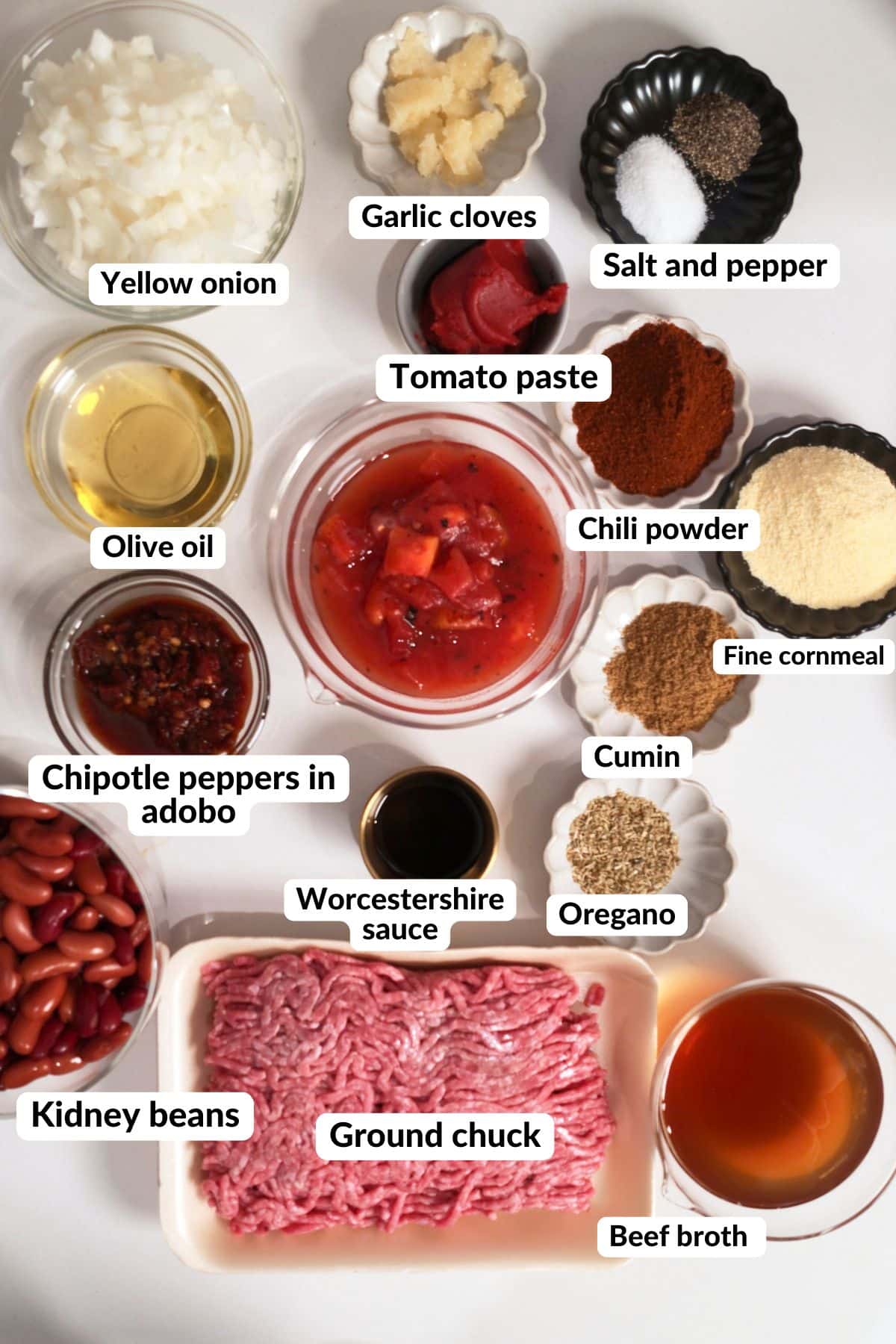
Video

Notes

  • Very cold butter makes a big difference in the topping texture. If your butter starts to soften, freeze it for a few minutes before using.
  • Do not drain both cans of peaches. The juice from one undrained can creates the syrupy filling.
  • Allow resting time before serving. The juices thicken as the cobbler cools.
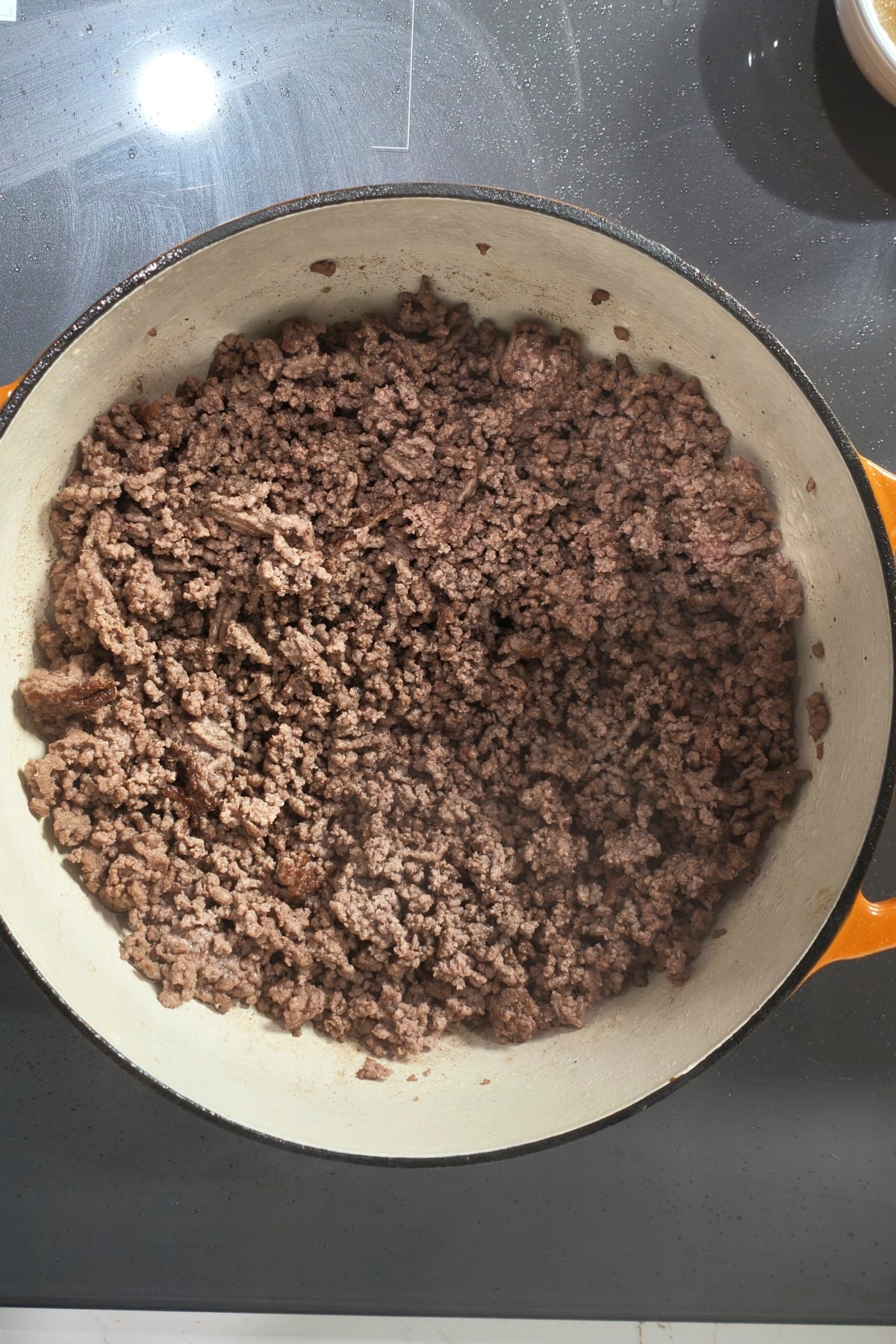
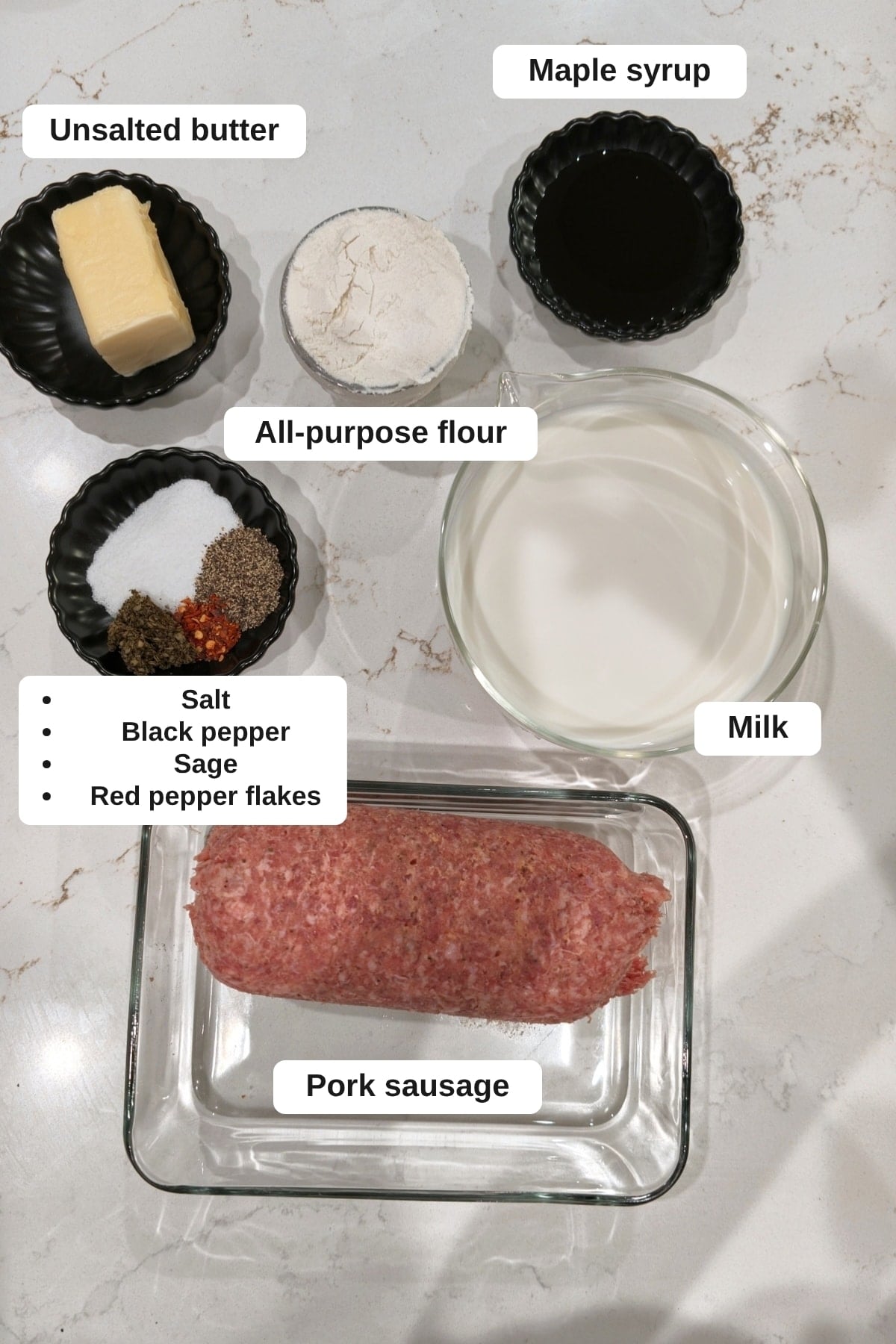
  • Storage: refrigerate for up to 4 days; freeze for up to 3 months.
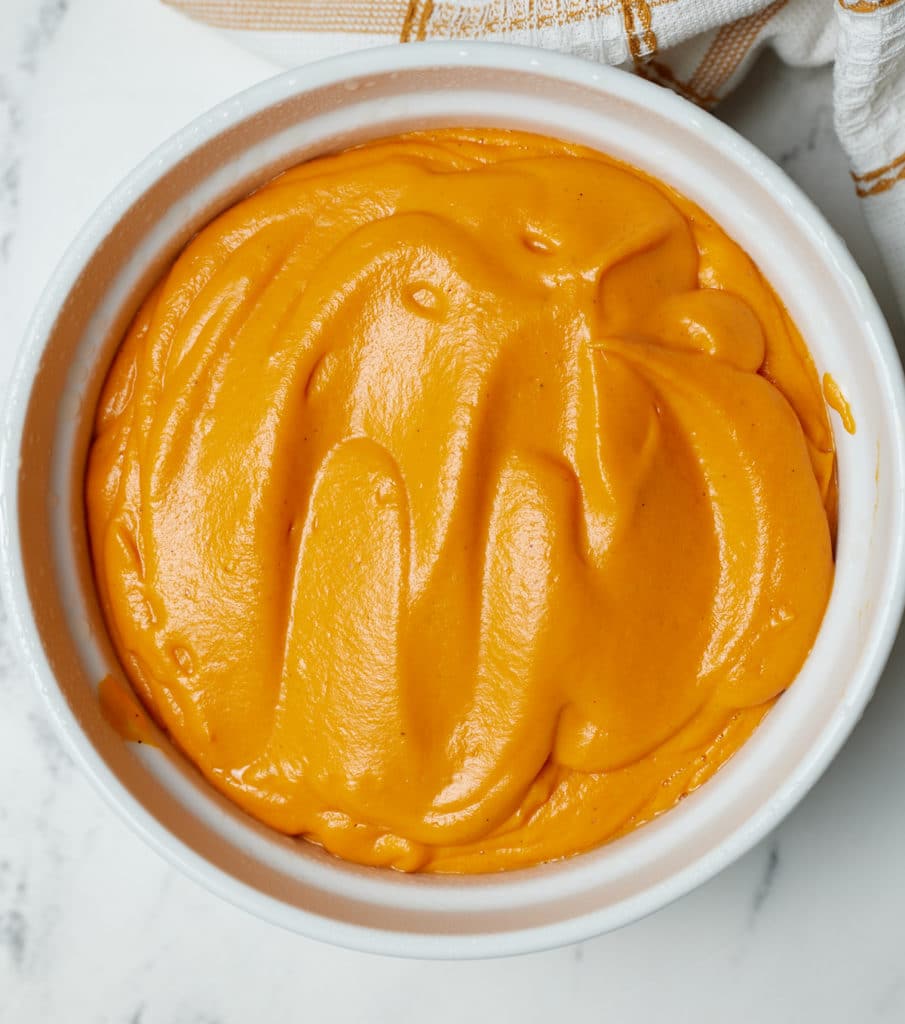
Nutrition

Calories: 386kcal | Carbohydrates: 63g | Protein: 3g | Fat: 14g | Saturated Fat: 9g | Polyunsaturated Fat: 1g | Monounsaturated Fat: 4g | Trans Fat: 1g | Cholesterol: 38mg | Sodium: 257mg | Potassium: 211mg | Fiber: 1g | Sugar: 46g | Vitamin A: 446IU | Vitamin C: 0.02mg | Calcium: 102mg | Iron: 1mg
  • 1
  • 2
  • 3
  • …
  • 72
  • Next Page »
tanya holding bowl and mixing

Welcome!

Welcome to My Forking Life! Hi, I'm Tanya, an attorney, busy wife and mom, and lover of quick, easy, and delicious meals.

More about me

Popular Recipes

  • Jamaican Oxtails Recipe
  • Air fryer fried chicken on a white platter
    Air Fryer Fried Chicken
  • brown stew chicken in pan
    Brown Stew Chicken
  • Jamaican Instant Pot Rice and Beans

Holiday Favorites

  • sweet potato pie on a plate
    Southern Sweet Potato Pie Recipe
  • spoon lifting gravy out of gravy dish
    Easy Recipe for Gravy without Drippings
  • Stirring the giblet gravy with a spoon.
    Grandma's Giblet Gravy Recipe
  • creamy baked macaroni and cheese, the best baked macaroni and cheese, creamy mac and cheese
    Creamy Baked Macaroni and Cheese
as seen on...various online websites text listed

Footer

↑ back to top
  • Privacy Policy
  • Contact
  • About Tanya

As an Amazon Associate, I earn from qualifying purchases.

Copyright © 2026 My Forking Life

Rate This Recipe

Your vote:


Let us know what you thought of this recipe:

This worked exactly as written, thanks!
My family loved this!
Thank you for sharing this recipe

Or write in your own words:

A rating is required
A name is required
An email is required